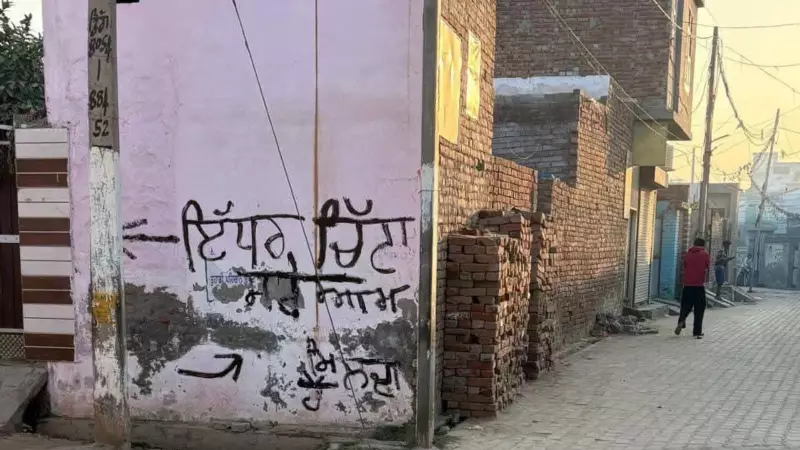
A stark graffiti lamenting the open sale of drugs has appeared on a village wall in Punjab's Bathinda district, throwing the state's persistent narcotics crisis back into the spotlight and causing political embarrassment ahead of crucial local elections.
Graffiti Highlights Grim Reality in Drug Hotspot
On Sunday, residents of Maur Kalan village discovered a message painted in Punjabi on a wall that translated to "heroin openly sold here." The graffiti, which locals believe was drawn satirically by a woman from the village, articulated a painful truth for the community. Maur Kalan is officially listed as a drug hotspot in police records, with sources confirming over 27 First Information Reports (FIRs) linked to drug smuggling filed in recent months alone.
The message sparked immediate alarm, leading the police to paint over it. However, for many villagers, especially women, the erased words did little to change their daily reality. They stated that the graffiti merely voiced a crisis they have endured for years, with several village youths having lost their lives to substance abuse. "Some have died, others' families are shattered," a resident said, pleading for urgent intervention.

Political Repercussions and Police Response
The timing of the incident is particularly sensitive for the ruling Aam Aadmi Party (AAP), with block samiti and zila parishad polls scheduled for December 14. The party has been aggressively projecting an anti-drug campaign across Punjab. While the graffiti serves as a significant embarrassment, some AAP sources suggested internal differences between local party groups might be fueling such acts to shame the government.
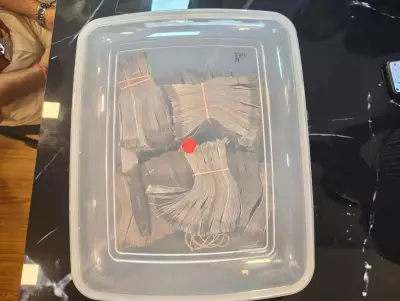
In response, Bathinda police authorities detailed their actions. Senior Superintendent of Police Amneet Kaur Kondal acknowledged the crisis, revealing that 27 FIRs under the narcotics law had been registered recently, leading to 52 arrests and the recovery of 142.65 grams of heroin. She emphasized intensified efforts in Maur Kalan, including seven Cordon and Search Operations (CASO) that resulted in 10 more FIRs, 15 arrests, and the seizure of 54 grams of heroin.
Kondal also outlined rehabilitation measures, noting that five addicts were booked under Section 64-A of the NDPS Act, four were admitted to de-addiction centres, and two were referred to an Outpatient Opioid Assisted Treatment (OOAT) centre. She claimed that sustained operations had led to a 70 per cent reduction in drug availability in the village. Regarding recent deaths, she stated one drug-related death was reported in October, while another was attributed to non-drug causes after a postmortem.
Community Outreach and Past Protests
Following the graffiti incident, Bathinda police held a meeting with the Maur Kalan Village Defence Committee (VDC) on Sunday afternoon, encouraging members to join the anti-drug campaign. On social media platform X, the Punjab Police highlighted its ongoing #YudhNashianVirudh (War Against Drugs) drive, now in its 274th day, involving raids, search operations, and awareness initiatives statewide.
This is not the first such protest in Bathinda this year. On June 3, residents of Bhai Bakhtaur village rallied behind a farmer who put up a banner reading "Our village is for sale" to protest drug abuse. That protest was triggered by the alleged assault of an ex-serviceman, who fought against drugs, by two known drug smugglers.
The graffiti in Maur Kalan has thus become a powerful symbol of public frustration, underscoring the chasm between official claims of progress and the ground reality experienced by villagers, even as political parties gear up for the upcoming rural polls.