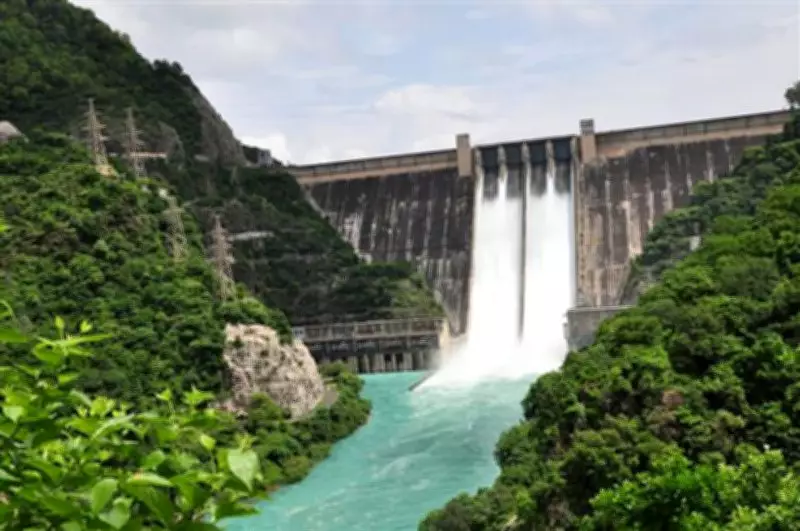
Haryana Confronts Looming Water Crisis as Key Project Hits Technical Snag
The state of Haryana is grappling with escalating fears of a severe water shortage, triggered by unexpected technical malfunctions at a critical infrastructure component. The Beas-Sutlej Link Project, a vital water management initiative, has been brought to a standstill due to persistent issues with the Dehar turbine. This development has prompted Haryana authorities to take immediate action, formally communicating their concerns to the Bhakra Beas Management Board (BBMB) in a bid to avert a potential crisis.
Project Halt Sparks Urgent State Intervention
In a decisive move, the Haryana government has dispatched a formal letter to the Bhakra Beas Management Board, highlighting the urgent need to address the Dehar turbine problems. The Beas-Sutlej Link Project is instrumental in channeling water from the Beas River to the Sutlej River, a process essential for maintaining adequate water supplies across Haryana. With the turbine's operational failures causing a complete halt, the state's water distribution network is now under significant strain, raising alarms about impending shortages that could affect agriculture, industry, and daily consumption.
The technical glitches at the Dehar turbine have not only stalled the project but also exposed vulnerabilities in the region's water infrastructure. Haryana's reliance on this link for consistent water flow means that any disruption poses a direct threat to its water security. The state's communication to the BBMB underscores the gravity of the situation, urging prompt repairs and contingency measures to mitigate the risk of water scarcity.

Implications for Water Management and Regional Stability
The suspension of the Beas-Sutlej Link Project carries profound implications for water management in Haryana and the broader region. This project is a cornerstone of inter-state water sharing agreements, designed to optimize resource allocation and prevent conflicts over water rights. The Dehar turbine issues, if left unresolved, could lead to reduced water availability, potentially sparking disputes and exacerbating existing tensions among neighboring states.
Moreover, the timing of this setback is particularly concerning, as Haryana approaches periods of high water demand, such as the agricultural sowing seasons. Farmers and rural communities, who depend heavily on reliable water supplies for irrigation, are at risk of facing crop failures and economic losses. Urban areas are not immune either, with potential disruptions to municipal water systems that could impact millions of residents.
Call for Swift Action and Collaborative Solutions
In its letter to the Bhakra Beas Management Board, Haryana has emphasized the necessity for a swift and effective response. The state is advocating for a collaborative approach, involving technical experts and stakeholders, to diagnose and rectify the Dehar turbine problems without delay. Proactive measures, such as temporary water diversion strategies or accelerated repair timelines, are being proposed to cushion the impact while long-term solutions are developed.
The situation also highlights the broader need for robust maintenance and modernization of water infrastructure across India. As climate change and population growth intensify pressure on water resources, ensuring the reliability of projects like the Beas-Sutlej Link becomes increasingly critical. Haryana's proactive stance serves as a reminder of the importance of preparedness and inter-agency cooperation in safeguarding water security for future generations.