

Haryana Assembly Speaker Stresses Urgent Need to Revamp MGNREGA in Gharaunda
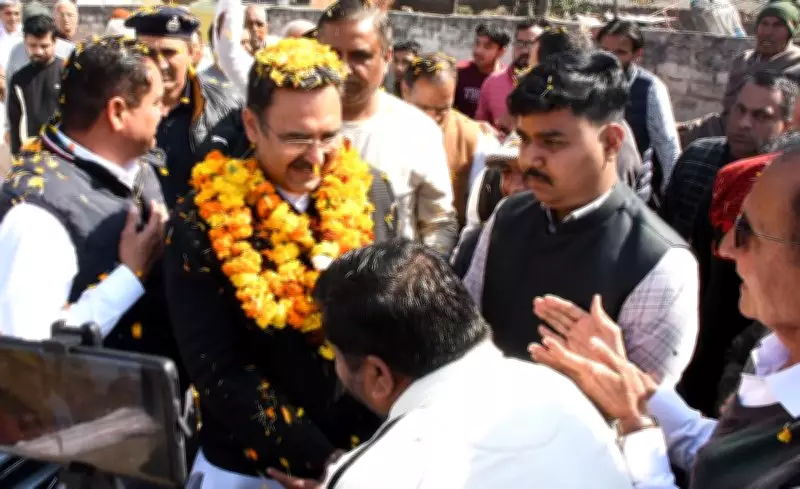
In a significant public address, Haryana Assembly Speaker Gian Chand Gupta underscored the critical importance of revamping the Mahatma Gandhi National Rural Employment Guarantee Act (MGNREGA) scheme. The event took place in the Gharaunda constituency, where Gupta engaged with local residents and stakeholders to discuss rural development priorities.
Focus on Enhancing Rural Employment and Infrastructure
Gupta highlighted that MGNREGA, a flagship central government scheme, requires substantial improvements to better serve the needs of rural communities in Haryana. He pointed out that the scheme, which guarantees 100 days of wage employment per year to rural households, has been instrumental in providing livelihood security but faces challenges in implementation and efficiency.
The Assembly Speaker emphasized that a revamped MGNREGA could significantly boost local infrastructure projects, such as road construction, water conservation, and afforestation efforts. This, in turn, would create more sustainable employment opportunities and enhance the overall quality of life in villages across the state.

Addressing Local Concerns in Gharaunda
During the meeting, Gupta listened to concerns from Gharaunda residents regarding delays in wage payments and the need for more diverse work projects under MGNREGA. He assured the community that their feedback would be taken into account in efforts to reform the scheme.
"The success of MGNREGA depends on its ability to adapt to local needs and ensure timely benefits for workers," Gupta stated, calling for greater transparency and accountability in its administration.Broader Implications for Haryana's Development
The call for revamping MGNREGA aligns with broader state and national goals to strengthen rural economies and reduce unemployment. Gupta's advocacy in Gharaunda reflects a growing recognition among policymakers that updating such schemes is essential for achieving long-term development targets.
- Improved implementation mechanisms to reduce bureaucratic hurdles.
- Expansion of work types to include skill-based projects.
- Enhanced monitoring systems to ensure fair wages and working conditions.
This initiative is expected to influence discussions at the state level, potentially leading to policy reforms that could benefit other constituencies in Haryana as well.






