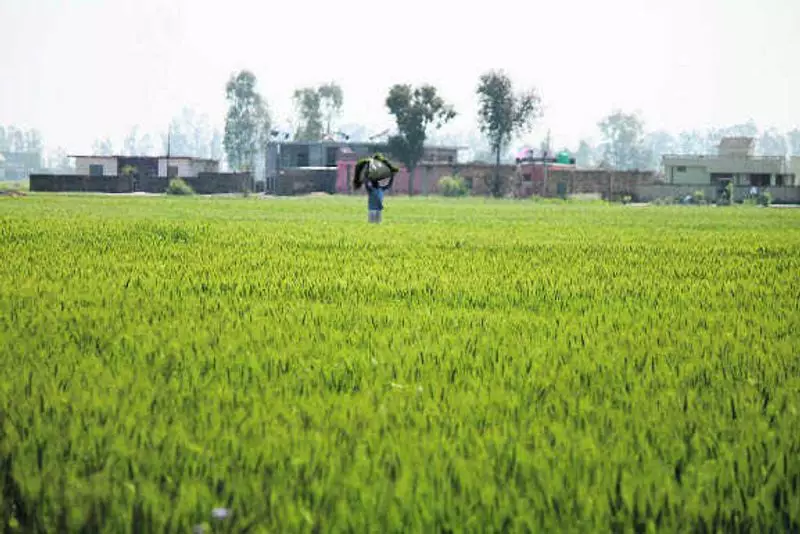
In a significant move to modernize agricultural governance and welfare delivery, the Haryana government has embarked on a mission to issue unique identification numbers to every farmer in the state. This initiative, spearheaded by the Agriculture and Farmers' Welfare Department, aims to create a comprehensive and verified database to ensure that subsidies, compensations, and other benefits reach the intended beneficiaries directly and without leakage.
The Core Objective: Precision in Welfare Delivery
The primary driver behind this ambitious project is the elimination of duplication and fraud in the distribution of agricultural subsidies. For years, the state machinery has grappled with challenges in accurately identifying legitimate beneficiaries for various schemes, from crop compensation to subsidies on seeds, fertilizers, and farm machinery. The new 12-digit unique ID will serve as a single, authoritative reference point for all farmer-related data.
This digital identity will be intricately linked with the state's existing Parivar Pehchan Patra (PPP) or family ID database. By integrating farmer details with the PPP, the government can verify land records, family composition, and other critical information, creating a foolproof system. The process mandates that farmers register themselves by providing essential documents, including Aadhaar, land records (jamabandi), and their PPP number, at their nearest Common Service Centre (CSC) or designated government office.

How the New System Will Work
The operational model is designed for efficiency and transparency. Once a farmer is registered and verified, they will be assigned their unique farmer ID. This ID will be the key to accessing a host of government services and benefits. The most significant impact will be seen in the implementation of Direct Benefit Transfer (DBT) for all agricultural subsidies.
Instead of subsidies being routed through multiple channels or provided as concessions on products, the monetary value will be credited directly into the bank account linked to the farmer's ID. This approach not only minimizes delays and cuts out intermediaries but also empowers farmers with the choice to purchase inputs from the market. Officials emphasize that this system will ensure 100% transparency and allow for real-time tracking of payouts.
Addressing Past Challenges and Future Integration
The decision follows lessons learned from previous ad-hoc compensation efforts, particularly during instances of crop damage due to natural calamities. Without a verified database, verifying claims and preventing fraudulent applications was a major hurdle. The new database will seamlessly integrate with other state portals like Meri Fasal Mera Byora (for crop registration) and the Kisan Credit Card scheme, creating a unified agricultural service ecosystem.
While the registration is voluntary, the government is actively encouraging participation through awareness campaigns. The long-term vision is to have every cultivator in Haryana enrolled. This data will also provide the government with accurate insights into the farming community's size, landholding patterns, and crop preferences, enabling better policy planning.
The Road Ahead: Implications and Expectations
The successful rollout of the farmer unique ID system is poised to revolutionize agrarian administration in Haryana. It promises to bring about fiscal discipline by reducing wasteful expenditure on ghost beneficiaries. For the farming community, it means timely and assured financial support directly in their hands, reducing dependency on local networks and potential exploitation.
Chief Minister Manohar Lal Khattar and the Agriculture Department have positioned this as a cornerstone of their digital governance and pro-farmer agenda. As the registration gains momentum, Haryana sets a potential benchmark for other states to follow in leveraging technology for targeted and efficient welfare delivery in the critical agricultural sector.