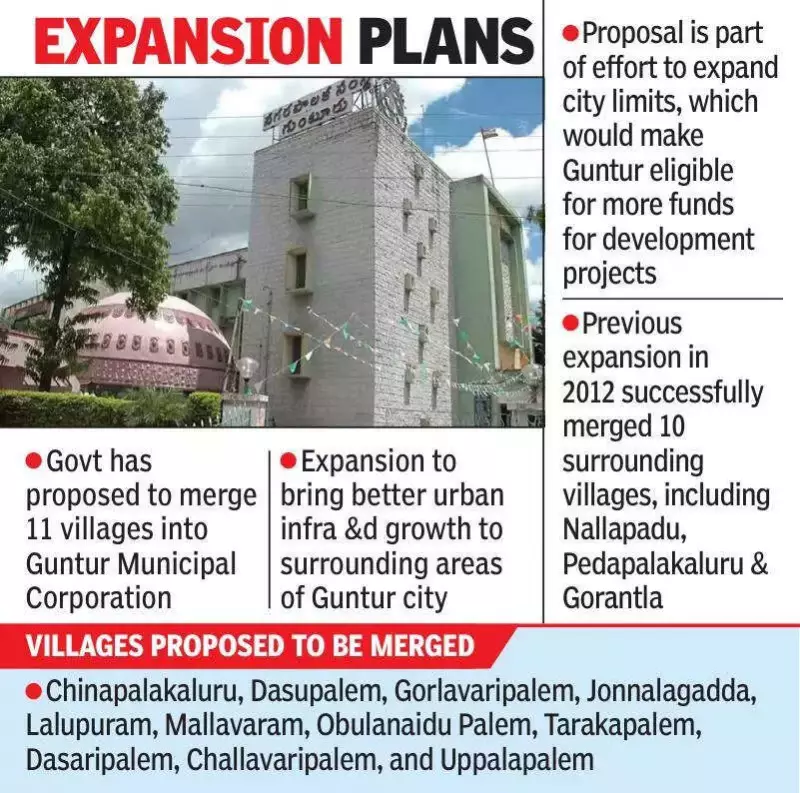
A contentious debate has erupted in Guntur over a state government proposal to merge eleven surrounding villages into the Guntur Municipal Corporation (GMC). The plan has exposed a sharp divide between elected representatives and the civic administration, with the former questioning the logic of expansion when earlier merged areas still lack basic amenities.
The Core of the Controversy
During a recent council meeting, several corporators vehemently opposed the merger proposal. Their primary argument centered on the perceived failure of a previous expansion. In 2012, ten villages were merged into the GMC, including Nallapadu, Pedapalakaluru, and Gorantla. The corporators pointed out that even after a decade, residents in these areas continue to suffer from poor roads, inadequate drainage, irregular water supply, and insufficient sanitation facilities.
They argued that expanding the city's limits again without first addressing these persistent shortcomings would only strain the corporation's financial and administrative resources further. This, they cautioned, would negatively impact service delivery for existing residents. Many demanded a comprehensive assessment of development works in the previously merged villages before any decision on fresh inclusions is taken.

The Administration's Push for Expansion
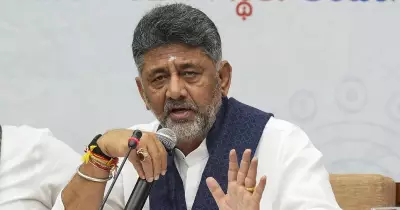
On the other side of the debate, GMC Commissioner Puli Srinivasulu and Prathipadu MLA Ramanjaneyulu are strong advocates for the merger. They frame it as a strategic necessity for the city's long-term, planned growth. Commissioner Srinivasulu presented a key financial incentive: the merger would push Guntur's population from the current 9.6 lakh to over 10 lakh.
Crossing this demographic threshold is crucial as it makes the city eligible for enhanced central funding under major urban schemes like Amrut-2. "Once the population crosses the 10-lakh mark, GMC would become eligible for enhanced funding," Srinivasulu explained. He assured that nearly Rs 600 crore already sanctioned under Amrut-2 would be used to strengthen the drinking water supply system across the entire city, including newly merged areas. He also promised to propose a Rs 1,000 crore grant to revive the stalled underground drainage project.
MLA Ramanjaneyulu echoed this, stating that integration would ensure uniform infrastructure standards, better connectivity, and access to civic amenities for the villages. Remaining outside the municipal fold, he argued, would deprive them of state and centrally-funded urban development programmes.
List of Villages and the Path Forward
The eleven gram panchayats proposed for merger are:
- Chinapalakaluru
- Dasupalem
- Gorlavaripalem
- Jonnalagadda
- Lalupuram
- Mallavaram
- Obulanaidu Palem
- Tarakapalem
- Dasaripalem
- Challavaripalem
- Uppalapalem
Despite the administration's assurances, the corporators remain skeptical. They insist that promises must be backed by visible outcomes and have demanded a clear, time-bound roadmap for infrastructure development in the older merged areas before proceeding with the new plan. The commissioner has decided to compile a comprehensive report incorporating these opposing views and submit it to the District Collector, who will forward it to the state government for a final decision.
With opinions sharply divided, the fate of the proposed merger hangs in the balance. This stalemate reflects a broader governance challenge: how to balance urban expansion with equitable and accountable development, ensuring that growth benefits both the core city and its newly integrated peripheries.