The political discourse in Punjab often centers on Sikh identity, but there is a growing need to understand the genuine aspirations of the community beyond electoral rhetoric. This article delves into the core issues that matter to Sikhs in Punjab, including governance, development, and cultural preservation.
Beyond Identity Politics
For decades, Sikh identity has been a central theme in Punjab's politics. However, many Sikhs feel that their real concerns—such as unemployment, agricultural distress, and education—are overshadowed by symbolic politics. The community seeks tangible improvements in their daily lives rather than mere assurances of cultural protection.
Economic and Social Priorities
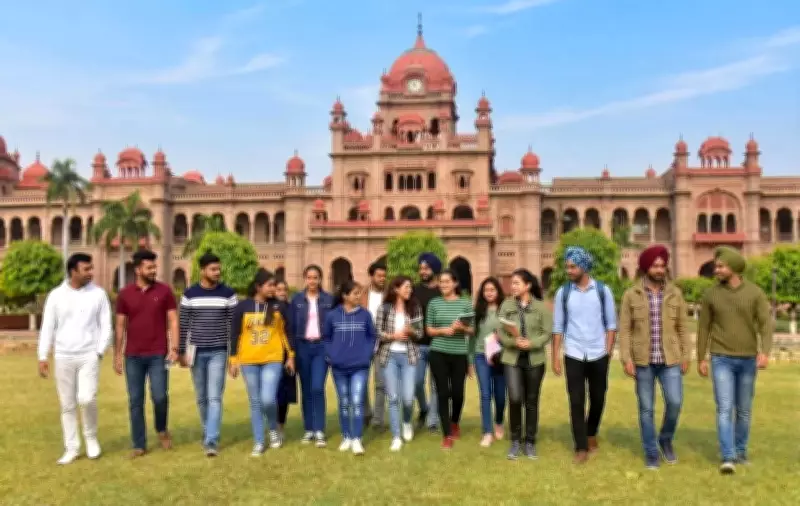
Surveys and grassroots interactions reveal that Sikhs prioritize economic stability, job creation, and quality education. The younger generation, in particular, aspires for opportunities that allow them to thrive without leaving their homeland. Agricultural reforms that benefit small farmers and investments in technology and industry are seen as crucial steps.

Cultural and Religious Freedom
While cultural and religious rights remain important, many Sikhs believe these are secure under the Indian Constitution. The real aspiration is for a governance model that respects diversity while ensuring equal opportunities for all communities. There is a desire for political leaders who address corruption and inefficiency, which are seen as bigger threats to community well-being than external cultural influences.
Role of Political Parties
Political parties often exploit Sikh sentiments for electoral gains, but voters are becoming more discerning. They expect parties to present concrete plans for development rather than relying on emotional appeals. The rise of alternative political voices indicates a shift towards issue-based voting.
Conclusion
The genuine aspirations of Sikhs in Punjab are multifaceted, encompassing economic progress, good governance, and the preservation of identity in a modern context. Addressing these requires a nuanced approach that moves beyond traditional identity politics and focuses on inclusive growth and effective administration.