A sudden and powerful explosion from a cooking gas cylinder rocked an area close to the iconic Mysuru Palace on Tuesday evening, leaving three individuals, including a young child, with burn injuries. The incident has immediately raised serious concerns about public safety and the regulation of small-scale food vendors operating near the city's major tourist and heritage sites.
Blast Near Historic Palace Sends Shockwaves
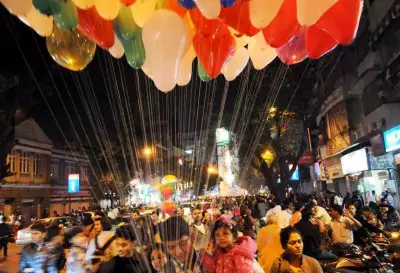
The blast occurred at approximately 6:30 PM on April 22 near the north gate of the Mysuru Palace, a location typically bustling with visitors. According to police reports, the explosion originated from a cooking gas cylinder used by a street vendor selling corn. The force of the blast was significant, causing panic in the immediate vicinity.
Three people sustained burn injuries in the accident. The injured include the 45-year-old corn vendor, a 35-year-old woman who was a customer at the stall, and a 10-year-old boy. All three victims were promptly rushed to a nearby hospital for medical treatment. Authorities confirmed that while the injuries were serious, they are not life-threatening.
Political Response and Call for Stricter Rules
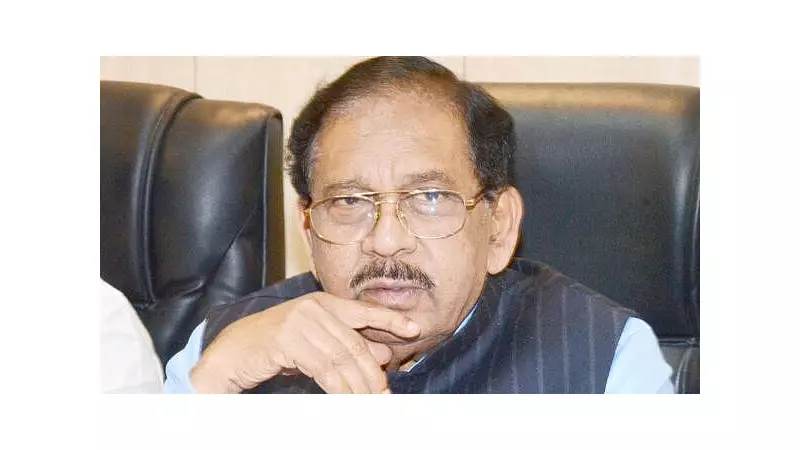
The incident drew a swift reaction from senior political leader and former Deputy Chief Minister G Parameshwara, who visited the blast site and the injured in the hospital. Parameshwara, who is also the local MLA for the Koratagere constituency, pointed directly to the need for better oversight of small vendors.
"Such small vendors must be regulated," Parameshwara stated emphatically. He highlighted the specific risks posed by vendors using LPG cylinders in crowded public spaces, especially in sensitive zones like the palace premises. His comments suggest a push for stricter licensing, safety checks, and possibly designated vending zones away from core heritage areas.
Broader Implications for Public Safety and Heritage Management
This explosion has ignited a broader debate that extends beyond this single event. Mysuru, known as the cultural capital of Karnataka, hosts millions of tourists annually who flock to its palaces, museums, and markets. The presence of numerous informal vendors is part of the local economy and street scene, but this accident underscores the potential hazards.
Key questions now being asked by officials and citizens alike include:
- How can the city administration better enforce safety standards for LPG use among mobile vendors?
- Should there be a complete prohibition on cooking with gas cylinders in immediate proximity to heritage structures?
- What system can be put in place to ensure vendor livelihoods are protected while guaranteeing public safety?
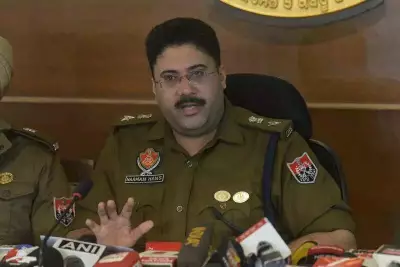
The police have registered a case and are investigating the exact cause of the cylinder failure. Initial speculation points towards a possible leak or faulty regulator, but a final report is awaited. The Mysuru City Corporation and the Palace Board are now under pressure to review and potentially overhaul the regulations governing street vending around key tourist landmarks to prevent a recurrence of such a dangerous event.