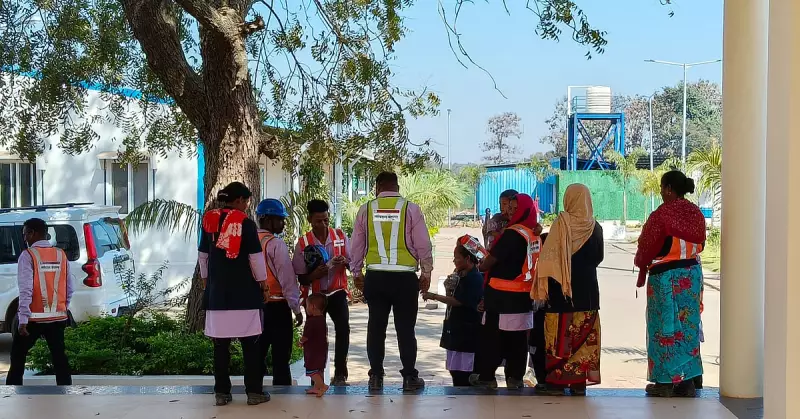
The dense forests of Gadchiroli district in Maharashtra, which share borders with Telangana and Chhattisgarh, are witnessing a quiet but profound transformation. This region, long known as a formidable stronghold for Naxalite activity, is now the setting for stories of redemption and reintegration. Where once the echo of ideological conflict and armed struggle dominated, today, only a handful of Naxal cadres remain, as many former insurgents have chosen to lay down their arms and embrace a new life.
A Region in Transition: The Decline of a Stronghold
For decades, the remote and rugged terrain of Gadchiroli provided the perfect cover for Naxalite operations, making it a central hub for the left-wing extremist movement. The district's strategic location, bordering two states, further complicated security operations. However, a concerted push by security forces, coupled with development initiatives and surrender policies, has significantly altered the landscape. As of late December 2025, official assessments indicate that only a small number of active Naxals remain in the area, marking a dramatic shift from its peak years as an insurgent bastion.
The Journey from Conflict to Community
The real narrative now focuses on those who have left the path of violence. Former Naxals, once defined by their association with the gun and the guerrilla struggle, are navigating the challenging road to mainstream society. Their journey involves more than just a physical surrender; it is a complete psychological and social rehabilitation. They are learning to exchange the isolation of the forest for the rhythms of village life, trading secrecy for transparency, and finding livelihoods that do not rely on conflict.

This process is supported by government rehabilitation schemes designed to provide financial assistance, vocational training, and sometimes even land. The goal is to offer sustainable alternatives that make a return to insurgency an unattractive option. For many, this means learning new skills in agriculture, animal husbandry, or small-scale trade, effectively moving from mines and guns to ploughs and market stalls.
Challenges and Hopes for the Future
Despite the progress, the path is not without obstacles. Social acceptance within their communities can be slow, and the shadow of their past actions sometimes lingers. There is also the constant need to ensure that the economic alternatives provided are genuine and long-lasting, preventing any potential backsliding.
Nevertheless, the changing scenario in Gadchiroli stands as a significant case study in conflict resolution. The dwindling numbers of active cadres and the increasing stream of surrenders point towards a region yearning for lasting peace. The stories of these former insurgents, rebuilding their lives from the ground up, offer a powerful testament to the possibility of change and the resilience of the human spirit. The district's evolution from a noted Naxal stronghold to a zone of rehabilitation continues to unfold, watched closely by security experts and sociologists alike.