Fake Government Order Sparks Confusion Over Uttar Pradesh Holiday
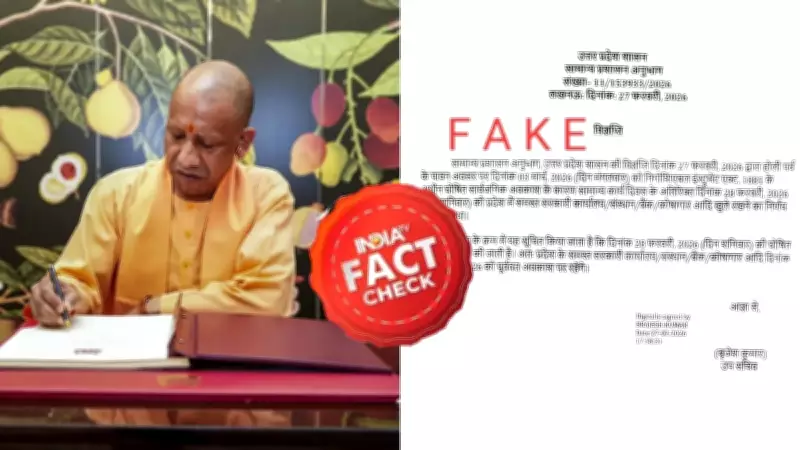
A fabricated government order declaring a holiday in Uttar Pradesh on February 28 has been circulating widely on social media platforms, causing confusion among residents and officials. The document, which appears to mimic official state correspondence, falsely claims that all government offices, educational institutions, and banks in the state will remain closed on that date. Authorities have swiftly moved to debunk this misinformation, confirming that no such holiday has been declared by the Uttar Pradesh government.
Viral Misinformation and Its Impact
The fake order, which includes forged signatures and official-looking letterheads, began spreading rapidly across WhatsApp, Facebook, and Twitter over the past few days. It has led to numerous inquiries from citizens, employees, and students seeking clarification about their schedules. This incident highlights the growing challenge of digital misinformation, where easily shareable content can create widespread public uncertainty before official channels can respond.
Government officials have emphasized that all legitimate holidays and notifications are exclusively announced through verified portals and press releases from the state administration. They have urged the public to cross-check any such information directly with the Uttar Pradesh government's official website or contact designated helplines rather than relying on unverified social media posts.
Official Response and Public Advisory
In response to the viral fake order, the Uttar Pradesh government's information department issued a formal statement categorically denying the existence of any holiday on February 28. The statement clarified that normal operations will continue across all state institutions, and any claims to the contrary are entirely baseless. Law enforcement agencies have also been alerted to investigate the origin of the fraudulent document and take appropriate legal action against those responsible for its creation and dissemination.
This incident serves as a critical reminder about the importance of verifying information from authoritative sources in the digital age. With fake news and forged documents becoming increasingly sophisticated, citizens are advised to practice digital literacy by checking official announcements before making any decisions based on viral content.
Broader Implications for Governance and Public Trust
The circulation of fake government orders not only disrupts administrative functions but also erodes public trust in official communications. Such incidents can lead to unnecessary panic, logistical challenges for institutions, and wasted resources as authorities scramble to correct the record. The Uttar Pradesh administration has reiterated its commitment to maintaining transparent and reliable channels for all public notifications, while also enhancing cybersecurity measures to prevent similar occurrences in the future.
As digital platforms continue to evolve, both government agencies and citizens must collaborate to combat misinformation. This includes reporting suspicious content, promoting media literacy, and ensuring that official information reaches the public through secure and verified means. The fake holiday order in Uttar Pradesh underscores the ongoing need for vigilance in an interconnected world where false information can spread at unprecedented speeds.