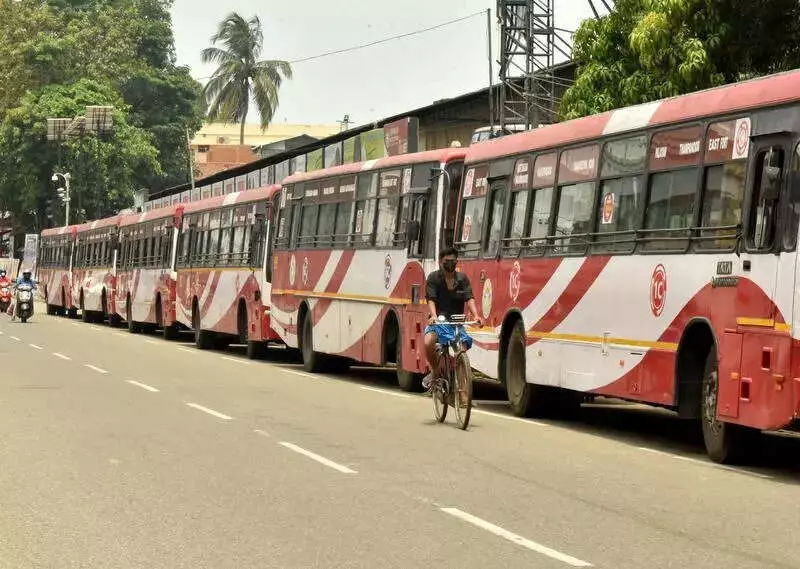
A significant controversy has erupted in the capital city of Kerala over the ownership and operation of 113 electric buses, creating a public spat between the Thiruvananthapuram City Corporation and the state government led by Transport Minister K B Ganesh Kumar.
The Core of the Controversy: Who Paid for the Buses?
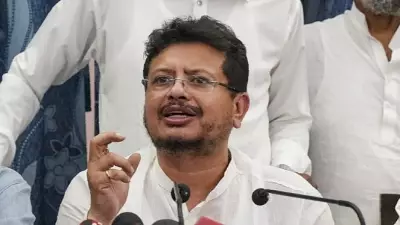
The conflict centers on the funding source for the electric buses. Mayor V V Rajesh has asserted that the buses were handed over to the corporation by the Central Government under the Smart City project, intended specifically for use within city limits. However, Transport Minister K B Ganesh Kumar has presented a counter-narrative, stating emphatically that the state government contributed a substantial Rs 500 crore to the Smart City project.
Minister Kumar clarified the financial breakdown, noting that the state's share was Rs 500 crore while the corporation's share stood at Rs 135 crore, with both amounts flowing from the state exchequer. He stressed that the facts should not be distorted and that it is incorrect to claim the buses were purchased solely under a central scheme. The state holds a 60% share in the project, which was a tripartite agreement. He expressed readiness to hand over all 113 buses to the corporation within 24 hours if the mayor formally requests them via a letter to the CMD.

Operational Disputes and Logistical Challenges
Beyond the funding debate, operational grievances have fueled the disagreement. The mayor clarified that his primary concern was not the ownership tussle but KSRTC's alleged failure to comply with the agreement. He, along with former mayor Arya Rajendran, pointed out two key issues: KSRTC is not sharing profits with the corporation as per the pact, and the buses are being operated outside the designated city corporation limits.
Minister Kumar addressed the operational aspects, stating that all buses are operated within the district, though a few might run outside the corporation area. He highlighted the complex and costly maintenance as a barrier to deploying them in other districts, revealing that replacing a single damaged battery costs a staggering Rs 2.8 lakh. He also outlined the consequences of transfer, stating that if the corporation takes the vehicles, they would not be allowed to park on KSRTC premises. He emphasized that drivers, workshops, and conductors are all KSRTC resources.
Standoff and Proposed Solutions
The minister proposed a swap: if the corporation takes the 113 electric buses, KSRTC will deploy 150 of its own buses in the city. He accused someone of misinforming the mayor and stated the vehicles are "ready to be returned gladly."
On the other side, Mayor Rajesh defended the corporation's capability, asserting that it is well-equipped to operate the buses and has sufficient parking space for all of them. The dispute, therefore, extends beyond a simple argument over funding into the realms of contractual compliance, operational control, and urban public transport strategy for Thiruvananthapuram.