The political landscape witnessed a significant development as the Enforcement Directorate (ED) launched coordinated raids on offices linked to the Indian Political Action Committee (I-PAC) on Thursday. Simultaneously, the West Bengal government moved swiftly to file a caveat in the Supreme Court, aiming to pre-empt any potential ex-parte order in connection with the probe.
Enforcement Directorate's Nationwide Searches
Officials from the central investigative agency carried out search operations at the premises of I-PAC, a prominent political consultancy firm, in two major cities. The raids were conducted in the national capital, Delhi, and in India's financial hub, Mumbai. The action is part of an ongoing money laundering investigation, although the ED has not yet issued an official statement detailing the specific reasons for Thursday's searches.
I-PAC, founded by political strategist Prashant Kishor, has been associated with several major political parties across India, including playing a pivotal role in election campaigns. The firm is currently understood to be working with the Trinamool Congress (TMC), the ruling party in West Bengal. The timing of the raids has sparked intense speculation within political circles.
West Bengal Government's Preemptive Legal Move
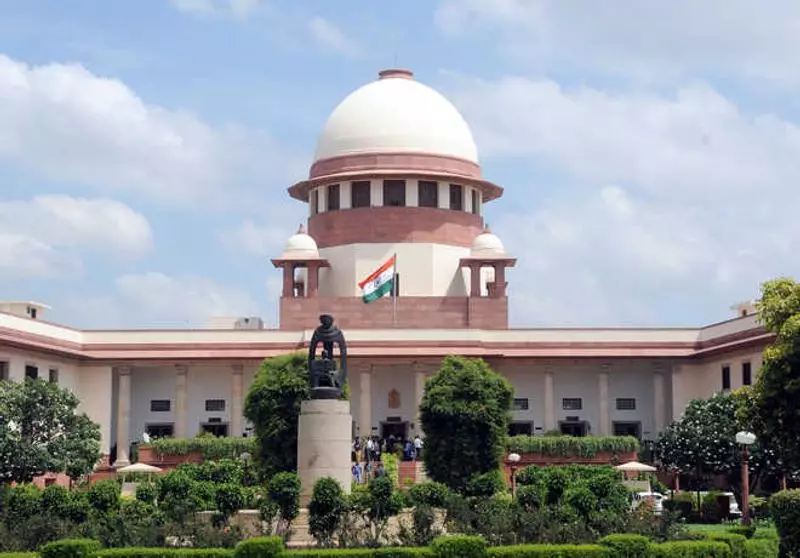
In a parallel and strategically significant move, the West Bengal government, led by Chief Minister Mamata Banerjee, filed a caveat in the Supreme Court. A caveat is a legal notice requesting that no order or judgment be passed without hearing the party that filed it. The state government's objective is to ensure it gets a hearing before the apex court passes any order, should the ED or any other party approach the court.
This step is seen as a precautionary measure to prevent any ex-parte order that might arise from the ongoing investigation. The state administration, through its caveat, has formally informed the Supreme Court registry of its intent to be represented in any potential proceedings linked to the case.
Political Repercussions and Ongoing Tensions
The twin developments have further intensified the already strained relations between the Trinamool Congress-led state government and the central agencies. This is not the first instance where state officials and entities connected to Bengal's ruling dispensation have faced scrutiny from central investigative bodies like the ED and the Central Bureau of Investigation (CBI).
Political analysts suggest that the raids on I-PAC and the state's immediate legal response highlight the deep-seated political friction. The situation remains fluid, with stakeholders awaiting further official communication from the Enforcement Directorate regarding the grounds and findings of their search operation. The coming days are likely to see increased legal and political maneuvering from all sides involved.
The core facts remain: the ED conducted searches on April 25, 2024, and the West Bengal government filed its Supreme Court caveat on the same day. These actions mark a new chapter in the continuing saga of investigations into political consultancies and the broader tug-of-war between the Centre and opposition-ruled states.