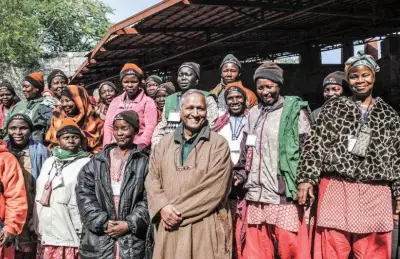
Renowned economist Jean Drèze, a key architect of the Mahatma Gandhi National Rural Employment Guarantee Act (MGNREGA), has called for the immediate withdrawal of the Centre's new job guarantee legislation, the VB-G-Ram-G Act. Speaking in Ranchi on Tuesday, Drèze asserted that the proposed law would inflict more damage than benefit, particularly for states such as Jharkhand.
Centralization of Power and Reduced Autonomy
Drèze, alongside members of the Jharkhand MGNREGA Watch and various job rights activists, argued that the new Act would lead to a centralization of decision-making with the Union government. He expressed concern that states would be left with minimal authority while shouldering significant financial burdens.
"Going by the entire provisions of VB-G-Ram-G, we can conclude that all the rights and capacity will be fixed by the Union govt," Drèze stated. He highlighted that the state would have hardly any share in planning but would own up the wage burden of a 40% ratio. According to him, the Centre would unilaterally decide where and when to implement schemes, the types of projects undertaken, and would enforce a mandatory 60-day discontinuation during the monsoon season.

Threat to Rural Livelihoods and Monsoon Work
The economist specifically warned about the detrimental impact of the 60-day monsoon moratorium on rural communities. He pointed out that many crucial MGNREGA works are executed during the monsoon to boost horticulture and water conservation, initiatives that have tangibly improved the lives of poor farmers.
"What will happen to them? In a nutshell, I think, it will lead to more distress for people in states like Jharkhand where issues of migration are more pronounced," Drèze added. He emphasized that the new law would ultimately rob rural jobs rather than create them, exacerbating poverty and hunger issues in tribal and scheduled areas.
Grassroots Mobilization and State Action Demanded
The collective has demanded that the Jharkhand government bring a resolution in the state assembly against the VB-G-Ram-G Act and focus on strengthening the existing MGNREGA framework. Drèze revealed plans to focus on sensitizing workers and stakeholders at the grassroots level about the pros and cons of the new Act, which is likely to be rolled out within the next six months.
Echoing these sentiments, James Herenj, the state convenor of NREGA Watch, criticized the Centre for not improving the existing law. He questioned the practicality of the new Act's promise of 125 days of work, given the 60-day moratorium and the historical average of only about 23 days of employment provided under MGNREGA over the last two decades.
"There are many other provisions in the new Act which will deter states from taking up the scheme," Herenj said. He announced that a series of protests and awareness seminars would be organized in the coming months to build momentum and pressure the Government of India for a rollback.
Activist Balram further urged Jharkhand's Tribes Advisory Council to recommend a proposal against the new Act, suggesting the state should reject it using constitutional provisions meant for protecting scheduled areas. The activists unanimously fear that the VB-G-Ram-G Act will lead to increased poverty and distress migration due to a severe lack of rural employment opportunities.