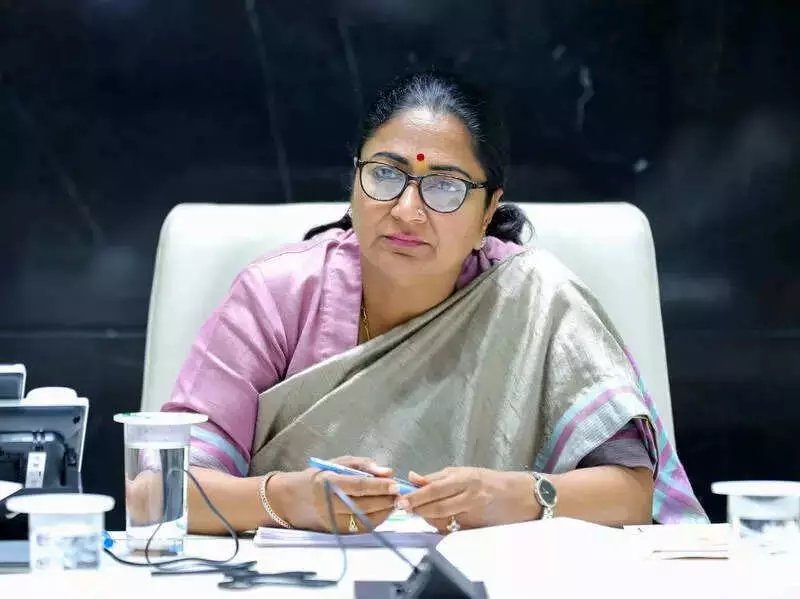
Delhi Chief Minister Rekha Gupta is set to engage directly with the city's young population in an innovative 'Lunch Pe Charcha' program scheduled for January 12. The date holds significance as it coincides with National Youth Day in India. This initiative aims to foster a candid discussion about the various challenges the national capital has encountered over the past 11 years.
Direct Invitation via Social Media
CM Gupta extended a personal invitation to the youngsters of Delhi through a post on the social media platform X (formerly Twitter). In a video message attached to her post, she outlined the agenda for the meeting. Gupta emphasized that the luncheon will serve as a platform for a comprehensive review and discussion of her administration's work during the 11 months since its formation in February 2025.
"While everyone is quick to point out problems, what truly matters are the solutions," Gupta stated in her video, urging the youth to actively participate. She encouraged them to share their thoughts and suggestions by sending messages and leaving comments on her social media handles, ensuring their voices are heard in the planning process.
Selection Process and Future Plans
For this inaugural session, the Chief Minister's office will select a group of 15 to 20 individuals to participate in the intimate lunch discussion. This is planned as the first in a series of such interactive meetings. The broader objective of these sustained engagements is to align Delhi's development trajectory with the ambitious national blueprint, Prime Minister Narendra Modi's Vision 2047.
Focus on Collaborative Governance
The 'Lunch Pe Charcha' program represents a shift towards more inclusive and participatory governance. By directly interfacing with the youth, who are both key stakeholders and the future of the city, CM Gupta's government seeks to ground its policies and problem-solving approaches in the real-time experiences and innovative ideas of Delhi's younger residents. This move is seen as an effort to build a collaborative framework for urban development, leveraging the energy and perspective of the youth to tackle longstanding issues.
The event is poised to bridge the gap between the government and the governed, transforming a simple meal into a strategic conversation about Delhi's past, present, and future. The success of this pilot program will likely determine the frequency and format of similar interactions in the coming months.