CPM Accelerates Alliance Formation for 2026 Bengal Assembly Polls
In a strategic move to solidify its political partnerships ahead of the crucial 2026 assembly elections in West Bengal, the Communist Party of India (Marxist) has initiated discussions with Humayun Kabir's newly established Janata Unnayan Party. This development marks a significant shift in the political landscape of the state as parties gear up for the upcoming electoral battle.
Key Meeting Between CPM and Janata Unnayan Party
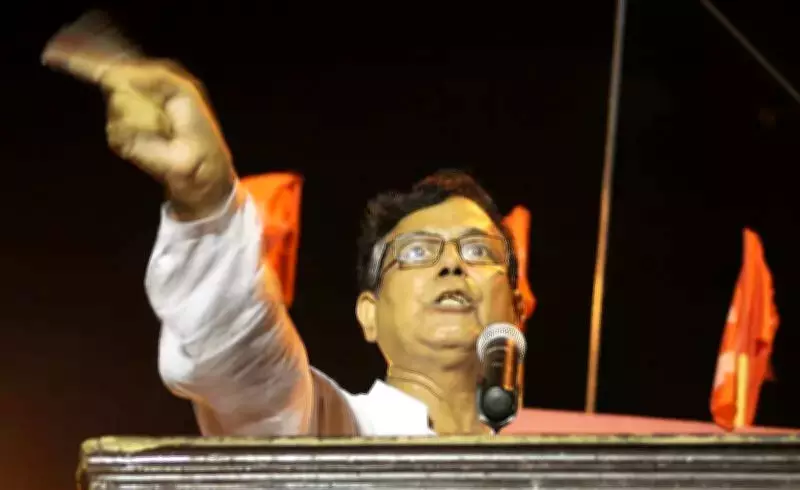
CPM state secretary Md Salim, who had previously expressed criticism regarding Kabir's controversial 'Babri Masjid' proposals just a month earlier, convened with the Bharatpur MLA at a hotel in New Town, Kolkata, on Wednesday. The meeting, which lasted approximately one hour, focused extensively on matters related to the assembly polls and potential collaboration.
Following the discussion, Humayun Kabir addressed reporters, stating, "I urged Salim saheb to ensure that the process of alliance formation is finalized by February 15. The meeting was meaningful, and we thoroughly deliberated on issues pertaining to the assembly elections. We are committed to setting aside personal egos while engaging with parties that oppose the Trinamool Congress."

Seat Sharing Negotiations and Alliance Dynamics
Sources indicate that the talks between CPM and Janata Unnayan Party centered on seat allocations in key districts such as Murshidabad, North Dinajpur, and North 24 Parganas. Additionally, Kabir hinted at the possibility of his party exploring an alliance with AIMIM, although no concrete steps have been taken yet.
It is noteworthy that Kabir has reportedly moderated his stance on the 'Babri' narrative after being cautioned about CPM's firm opposition to such rhetoric. This adjustment suggests a pragmatic approach to alliance-building in the current political climate.
However, Md Salim offered a different perspective after the meeting, clarifying, "There was no formal alliance discussion during our interaction. We primarily sought to understand his plans and objectives. Certain aspects can only be grasped through face-to-face dialogue. While there are proposals for seat sharing, we will first deliberate on these matters within the Left Front partners."
Broader Alliance Talks and Political Reactions
CPM is concurrently engaged in negotiations with other political entities, including the Indian Secular Front (ISF) led by Nawsad Siddique, who has reportedly demanded 70 seats for the upcoming elections. The Left Front is also in discussions with CPI (ML) Liberation, indicating a comprehensive effort to consolidate opposition forces against the ruling Trinamool Congress.
Trinamool Congress spokesperson Kunal Ghosh responded critically to CPM's outreach, remarking, "The party once emphasized ideologies and resistance, but unfortunately, Md Salim has chosen to align with Humayun Kabir. We are unconcerned about this meeting. CPM's desperation is evident as it approaches various parties, including Congress and ISF, revealing its inability to field candidates across all 294 assembly seats."
State Congress leader Roahan Mitra expressed his disapproval on social media, questioning, "Are you so desperate to secure an MLA position that you must meet with a politician who advocates discarding Hindu corpses into the Bhagirathi? This raises concerns about the integrity of political alliances and whether secularism has been sidelined in Bengal's politics."
BJP representative Tarunjyoti Tiwari also weighed in, asserting that the meeting has tarnished the 'secular image' that CPM has long projected. These reactions underscore the heightened political tensions and scrutiny surrounding alliance formations in West Bengal.
Strategic Implications for the 2026 Elections
The proactive efforts by CPM to forge alliances reflect a strategic imperative to strengthen its electoral prospects in the face of a dominant Trinamool Congress. By engaging with regional parties like Janata Unnayan Party and ISF, CPM aims to create a cohesive opposition front capable of challenging the incumbent government.

As the political landscape evolves, the success of these alliances will depend on effective seat-sharing agreements, ideological alignment, and the ability to present a unified vision to the electorate. The coming months are likely to witness intensified negotiations and realignments as parties position themselves for the 2026 assembly polls in West Bengal.