CPIM Leader's Scathing Accusation Against Sabarimala Tantri
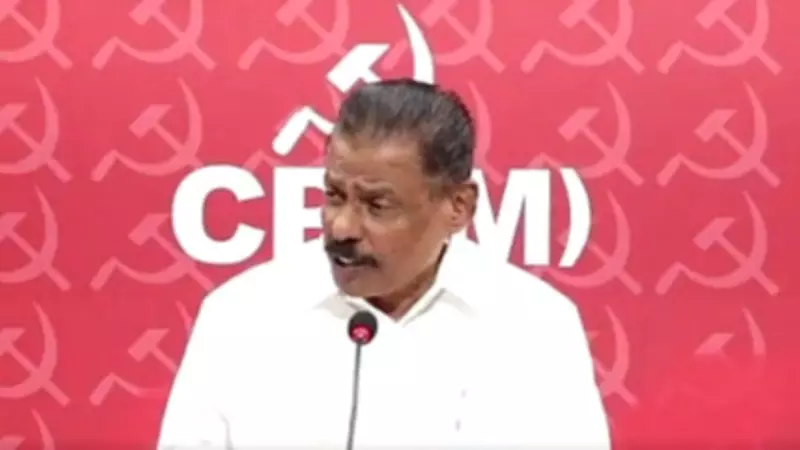
In a dramatic development that has sent shockwaves through Kerala's political and religious circles, Communist Party of India (Marxist) leader M. Swaraj has launched a blistering attack on Sabarimala temple's chief priest, Kandararu Rajeevaru. Swaraj, a prominent CPIM figure, has publicly termed the Tantri a "master thief," alleging serious financial misconduct and mismanagement at the revered Hindu shrine.
Allegations of Financial Irregularities
The controversy centers on claims of widespread financial irregularities within the temple's administration. According to Swaraj, the Tantri has been involved in systematic embezzlement and misappropriation of temple funds, which are intended for religious activities and maintenance. The CPIM leader has accused Rajeevaru of exploiting his position for personal gain, thereby undermining the sanctity and trust associated with Sabarimala, one of India's most visited pilgrimage sites.
This accusation comes amid ongoing debates about transparency and accountability in temple management in Kerala. Swaraj has called for a thorough investigation by state authorities to uncover the alleged fraud and ensure that temple resources are used appropriately. He emphasized that such actions not only harm devotees but also tarnish the spiritual reputation of Sabarimala.

Political and Religious Repercussions
The statement has ignited a fierce political debate, with opposition parties and religious groups reacting strongly. Supporters of the Tantri have dismissed the allegations as politically motivated, aimed at discrediting traditional temple authorities ahead of upcoming elections. They argue that Swaraj's comments are part of a broader CPIM strategy to intervene in religious affairs, a charge the party has faced in the past.
However, Swaraj has stood by his remarks, asserting that his primary concern is the welfare of devotees and the integrity of temple operations. He has urged the Kerala government to take immediate action, including audits and legal proceedings if necessary, to address the alleged corruption. This incident highlights the delicate balance between politics and religion in Kerala, where temple management often becomes a contentious issue.
Background and Context
Sabarimala temple, dedicated to Lord Ayyappa, attracts millions of pilgrims annually, making its administration a matter of significant public interest. The Tantri holds a hereditary position responsible for overseeing rituals and ceremonies, but recent years have seen increased scrutiny over financial practices. Previous controversies have involved disputes over donations, offerings, and temple funds, leading to calls for reform.
The CPIM, known for its secular stance, has frequently criticized what it perceives as corruption in religious institutions. Swaraj's accusation aligns with this narrative, but it also risks alienating devout voters who revere the Tantri's role. As the situation unfolds, it remains to be seen how state authorities will respond and whether evidence will substantiate the claims.
In summary, M. Swaraj's labeling of Sabarimala Tantri Kandararu Rajeevaru as a master thief has sparked a major controversy, raising questions about financial transparency and political interference in Kerala's religious landscape. The outcome could have lasting implications for temple governance and inter-community relations in the state.