Kerala CPI(M) Faces Internal Turmoil as Ex-MLA Sasi Expelled Ahead of 2026 Polls
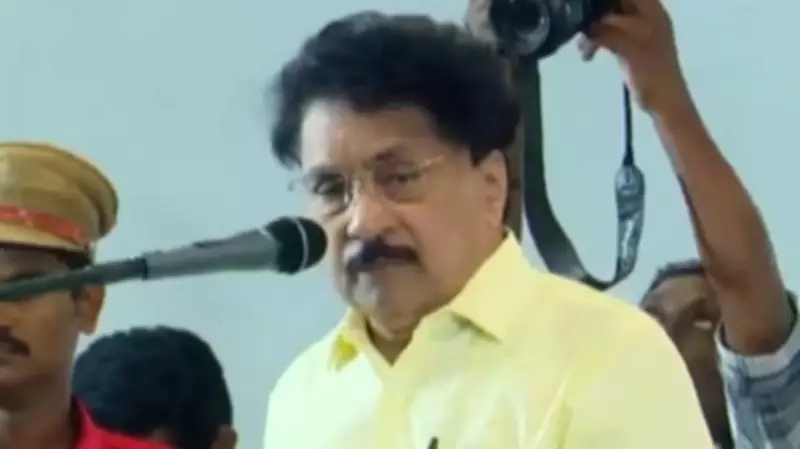
In a significant development that has sent shockwaves through the Communist Party of India (Marxist) in Kerala, former MLA Sasi has been expelled from the party. This decisive action comes in the wake of his participation in a meeting of dissident members, where he leveled serious allegations against the party's district secretary. The expulsion, announced on March 5, 2026, underscores the deepening internal conflicts within the CPI(M) as the state gears up for the crucial Assembly elections scheduled for later that year.
Rebel Meeting and Allegations Spark Immediate Action
The controversy erupted when Sasi, a former lawmaker, attended a gathering of rebel CPI(M) members. During this meeting, he raised grave accusations against the party's district secretary, though specific details of the allegations have not been fully disclosed publicly. Sources indicate that the claims involved issues of internal party governance and decision-making processes, which have been points of contention among certain factions.
The party leadership responded swiftly, expelling Sasi shortly after the meeting concluded. This move highlights the CPI(M)'s zero-tolerance policy towards dissent and public criticism from within its ranks, especially during a sensitive pre-election period. The timing is particularly critical, as the party aims to present a united front to voters in Kerala, where political competition is intense and every seat matters.
Impact on Kerala's Political Landscape Ahead of 2026 Elections
The expulsion of ex-MLA Sasi is expected to have far-reaching implications for the CPI(M) and the broader political scenario in Kerala. As one of the major players in the state's politics, the CPI(M) has historically relied on strong internal cohesion to counter rivals like the Congress-led United Democratic Front and the Bharatiya Janata Party. However, this incident exposes underlying fissures that could weaken the party's electoral prospects.
Analysts suggest that such internal strife might alienate some voters and create opportunities for opposition parties to capitalize on the perceived instability. The 2026 Kerala Assembly elections are already shaping up to be a highly contested battle, with issues like governance, development, and social welfare at the forefront. The CPI(M)'s ability to manage internal discord will be closely watched, as it could influence campaign strategies and voter sentiment across the state.
Broader Context of Indian Politics and Party Discipline
This episode is not an isolated one in Indian politics, where parties often face challenges in maintaining discipline among members. The CPI(M), known for its strict organizational structure, has previously taken similar actions against members who deviate from the party line. The expulsion of Sasi reflects a broader trend of political parties cracking down on internal dissent to preserve unity, especially in the run-up to elections.
In Kerala, where political allegiances are deeply entrenched and voter turnout is typically high, such internal conflicts can have a magnified effect. The state's political dynamics are characterized by a strong leftist tradition, and the CPI(M) has been a dominant force for decades. However, recent years have seen increased competition, making internal stability more crucial than ever.
- The expulsion occurred on March 5, 2026, as confirmed by party officials.
- Sasi's allegations targeted the district secretary, though specifics remain undisclosed.
- The rebel meeting attended by Sasi included other dissenting members, signaling possible broader unrest.
- This development comes just months before the 2026 Kerala Assembly elections, adding to the political tension.
As the situation unfolds, all eyes will be on how the CPI(M) navigates this crisis and whether it can rally its base effectively. The party's response to internal challenges will likely set the tone for its campaign and influence the electoral outcome in one of India's most politically vibrant states.