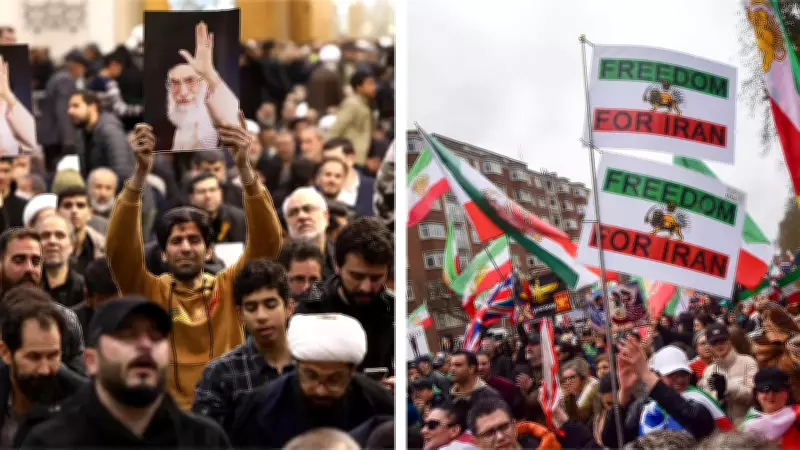
Iran Faces Leadership Crisis After Supreme Leader's Death in US Military Strikes
The geopolitical landscape of the Middle East has been dramatically altered following the death of Iran's Supreme Leader Ali Khamenei, who was killed in targeted US military strikes. Khamenei, who had ruled the Islamic Republic with an iron grip for more than thirty-five years, leaves behind a significant power vacuum that threatens to destabilize the entire region.
Succession Battle Emerges as Mojtaba Khamenei Becomes Top Contender
Initial reports indicate that Mojtaba Khamenei, the son of the deceased supreme leader, has quickly emerged as the leading candidate to assume his father's powerful position. However, this apparent succession plan is far from guaranteed, as various factions within Iran's political and military elite are already positioning themselves for what could become a protracted power struggle lasting several months or even longer.
The internal conflict could potentially paralyze Iran's government at a time when the country faces unprecedented external pressure and international scrutiny. Different revolutionary guard commanders, clerical leaders, and political figures are all vying for influence in this critical transition period, creating a volatile situation with unpredictable outcomes.

BRICS Bloc's Conspicuous Silence Raises Questions
Meanwhile, the BRICS alliance—which has consistently positioned itself as a counterbalance to Western dominance in global affairs—has remained notably silent throughout this crisis. No mediation initiatives or diplomatic statements have emerged from the bloc, despite Iran's significant regional influence and the potential for this crisis to reshape Middle Eastern geopolitics.
This absence of BRICS leadership raises fundamental questions about the bloc's capacity to manage international crises and its commitment to providing genuine alternatives to Western-led diplomatic frameworks. The silence is particularly striking given Iran's strategic importance and the bloc's frequent rhetoric about creating a multipolar world order.
Trump's Extraordinary Statement Adds to Uncertainty
Adding another layer of complexity to the situation, former US President Donald Trump issued a remarkable statement regarding Iran's future governance. "When we are finished, take over your government. It will be yours to take. This will probably be your only chance for generations," Trump declared in comments that were extraordinary for any political figure, let alone a former sitting president.
This provocative statement forces consideration of questions that international bodies like BRICS have consistently avoided addressing: What type of Iran might eventually emerge from the current turmoil? Would a new Iranian government serve the interests of the Iranian people themselves, or would it primarily benefit external powers seeking to influence the region?
The coming months will be critical as Iran navigates this unprecedented leadership transition while facing intense international pressure. The potential for prolonged internal conflict, combined with external interference and the absence of effective multilateral mediation, creates a dangerous situation with implications far beyond Iran's borders.