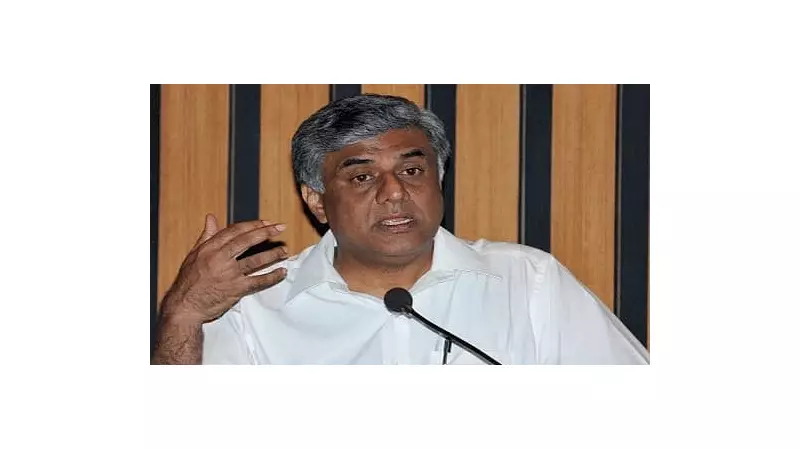
Bengaluru Court Rejects Anticipatory Bail Plea for Congress Leader Rajiv Gowda
In a significant legal development in Karnataka, a court in Bengaluru has denied anticipatory bail to Congress leader Rajiv Gowda. This decision comes amidst ongoing investigations into allegations of financial misconduct linked to a cooperative society, marking a critical juncture in the case that has drawn considerable public and political attention.
Details of the Court's Ruling
The court's rejection of the anticipatory bail application underscores the seriousness of the charges leveled against Gowda. Anticipatory bail, often sought to prevent arrest during an investigation, was denied after the court reviewed the evidence and arguments presented by both the prosecution and the defense. Legal experts suggest that this ruling indicates the court's belief that there is substantial merit to the allegations, warranting further judicial scrutiny without the protection of pre-arrest bail.
Rajiv Gowda, a prominent figure in the Congress party in Karnataka, has been embroiled in this controversy for some time. The case revolves around accusations of financial irregularities within a cooperative society, with investigators alleging mismanagement of funds and potential violations of regulatory norms. The denial of bail means that Gowda now faces an increased risk of arrest as the probe continues, potentially impacting his political activities and public standing.

Political and Legal Implications
This ruling has broader implications for the political landscape in Karnataka. As a Congress leader, Gowda's legal troubles could influence party dynamics and public perception ahead of upcoming elections or political maneuvers. The case also highlights the ongoing efforts by law enforcement agencies to address corruption and financial crimes, particularly in cooperative sectors that play a vital role in rural and urban economies across the state.
From a legal perspective, the denial of anticipatory bail sets a precedent for similar cases involving political figures. It reinforces the judiciary's role in ensuring accountability, regardless of an individual's political affiliations. The court's decision is based on a careful assessment of the facts, emphasizing the need for thorough investigations to uphold justice and transparency in governance.
Next Steps in the Legal Process
With the anticipatory bail plea rejected, Rajiv Gowda and his legal team may explore other legal avenues, such as filing a regular bail application if an arrest occurs or challenging the decision in a higher court. The investigation into the cooperative society case is expected to proceed with renewed vigor, potentially leading to further disclosures and legal actions.
Stakeholders, including political observers and the general public, will be closely monitoring developments in this case. The outcome could have lasting effects on Gowda's career and the Congress party's strategy in Karnataka, as well as on public trust in political institutions and the judicial system.
In summary, the Bengaluru court's decision to deny anticipatory bail to Rajiv Gowda marks a pivotal moment in a high-profile legal battle. It underscores the complexities of balancing political influence with judicial oversight, and it serves as a reminder of the ongoing challenges in combating financial irregularities in India's cooperative sector.