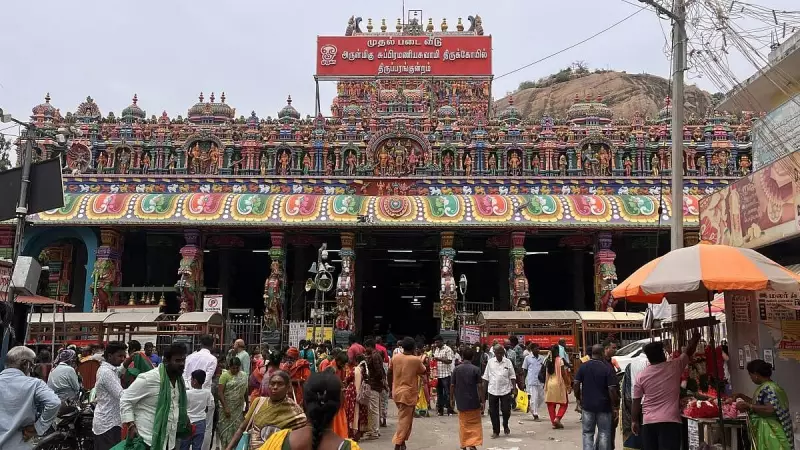
In a significant verdict, the Madras High Court has upheld a single judge's ruling that allows the traditional lighting of the Deepam lamp to continue every year atop the revered Thiruparankundram Hills. The court, however, has imposed a crucial restriction by disallowing the participation of the general public in the ceremony.
Court's Verdict on the Annual Ritual
The bench confirmed the earlier judgment, bringing clarity to a longstanding tradition. The ruling explicitly states that the Deepam can be lit every year atop the Thiruparankundram Hills, ensuring the continuity of this religious practice. This decision, dated 06 January 2026, reinforces the legal framework around the ritual, which has been a point of contention and discussion.
Key Restriction on Public Gathering
A pivotal aspect of the court's order is the restriction placed on mass attendance. While the lighting itself is sanctioned, the court has disallowed the participation of the general public at the hilltop site. This condition is likely imposed considering safety, security, and logistical concerns associated with large gatherings at the elevated location. The directive aims to maintain order while preserving the essence of the tradition.
Implications and Future of the Tradition
This verdict from the Madras High Court strikes a balance between upholding religious customs and enforcing regulatory measures. By permitting the annual lighting, the court acknowledges the cultural and spiritual significance of the Deepam ceremony for devotees in Madurai and across Tamil Nadu. The restriction on public participation, however, mandates a more controlled and possibly privatized observance of the event moving forward.
The ruling is expected to bring an end to the legal dispute, providing clear guidelines for authorities and temple managements involved in organizing the ceremony. It underscores the judiciary's role in mediating between tradition and contemporary administrative necessities.