

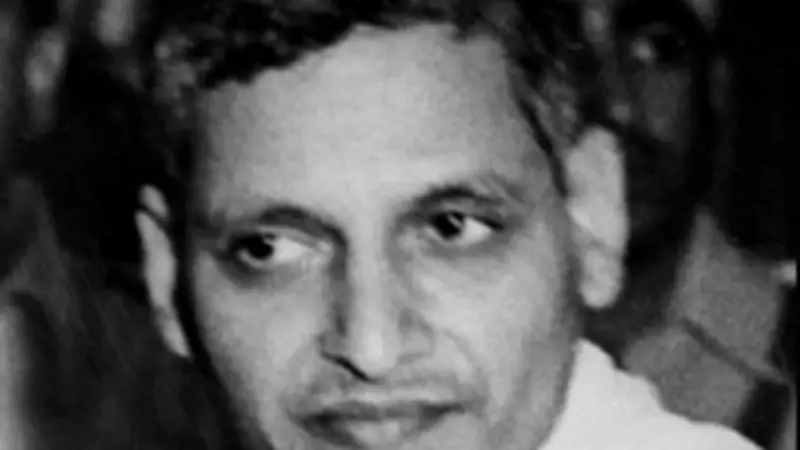
Congress Workers Detained in Rajkot Over Vandalism of Play Set on Nathuram Godse
In a dramatic turn of events in Rajkot, approximately 45 Congress workers were detained by local police on Saturday evening for allegedly vandalizing the set of the Gujarati play 'Hun Nathuram' (I, Nathuram). The incident unfolded at the Hemu Gadhvi Hall, where the play was scheduled to be staged at 9:15 PM, after organizers firmly declined demands from Congress members to cancel the performance.
Protest Escalates into Violence
The confrontation began when Congress leaders, led by Rajkot president Rajdeepsinh Jadeja, approached both the hall's trust and the play's organizers, urging them to halt the show. Jadeja argued that the play attempts to undermine the principles of Mahatma Gandhi, emphasizing Rajkot's historical significance as a place where Gandhi studied. "We spoke to the Trust running the hall, asking them to cancel the play that tries to downplay the principles of Mahatma Gandhi. After Porbandar, Gandhiji's association has been greatest with Rajkot as he has studied here," Jadeja stated in an interview with The Indian Express.
When their requests were rejected, and organizers indicated they would proceed with police protection, Jadeja warned of a protest. The situation quickly deteriorated as a group of 200-300 Congress supporters gathered, leading to what Jadeja described as uncontrollable youth actions. "The youth became uncontrollable and threw some pipes lying around on stage. Had we just sat on silent protest, they would have continued with the play," he explained, defending the actions despite acknowledging that violence contradicts Gandhi's teachings.

Organizers Defend Play Based on Historical Facts
On the other side, Paritosh Painter, the producer and presenter of 'Hun Nathuram', clarified that the play had obtained all necessary permissions, including a censor certificate and police approval. He expressed surprise at the protest, noting that the play is rooted in historical court statements from Nathuram Godse, Gandhi's assassin, and is based on a published book. "Actually, our play is based on a published book and it is about Godse's statement in court. These are historical facts that many people don't know. We are not saying whether he is right or Gandhi is wrong," Painter emphasized.
In an effort to defuse tensions, Painter invited the protesters to watch the performance before judging it, but the offer was ignored as the protest turned violent. Despite the disruption, Painter confirmed that the play is scheduled for performances in two other cities in the coming days, and they plan to proceed as planned.
Police Response and Legal Actions
Following the vandalism, Rajkot police swiftly intervened, detaining 45 Congress workers involved in the incident. Authorities indicated that an FIR (First Information Report) is likely to be filed in the matter, as investigations continue into the extent of the damage and the motivations behind the protest. The police have not yet released detailed charges, but the detention underscores the seriousness of the allegations against the Congress workers.
This incident highlights ongoing tensions in India over historical narratives and freedom of expression, particularly concerning sensitive figures like Nathuram Godse. It raises questions about the balance between protest rights and maintaining public order, especially in cultural contexts where artistic works intersect with political ideologies.
The fallout from this event may have broader implications for future performances and protests in Gujarat and beyond, as stakeholders navigate the delicate terrain of history, politics, and art.






