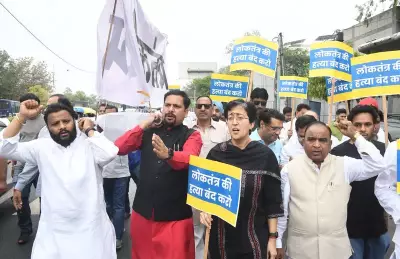
The political alliance between the Indian National Congress and the Vanchit Bahujan Aghadi (VBA) in Maharashtra has hit a significant roadblock just ahead of the crucial Brihanmumbai Municipal Corporation (BMC) elections. The coalition is reportedly facing a severe shortage of suitable candidates, leaving a substantial number of electoral wards uncontested.
A Major Setback in India's Financial Capital
According to reports, the alliance is struggling to finalize candidates for 16 out of the total 227 seats in the Mumbai civic body polls. This development, emerging in early January 2026, represents a major organizational and strategic setback for the opposition bloc, which aims to challenge the ruling Mahayuti alliance in the country's richest municipal corporation.
The inability to field candidates in these wards undermines the alliance's campaign from the very start, effectively conceding these seats to rivals. Political analysts view this as a sign of poor groundwork and internal discord, which could demoralize party workers and confuse voters.

Internal Discord and Seat-Sharing Troubles
The core of the problem appears to stem from the seat-sharing arrangement between the Congress and Prakash Ambedkar's VBA. While the parties agreed to contest the polls together to avoid splitting the anti-incumbency vote, the pact has been fraught with difficulties at the local level.
Sources indicate that local units of both parties are unhappy with the wards allocated to them, leading to protests and refusals to campaign. In several constituencies, potential nominees have backed out, citing lack of support or unfavorable winning prospects. This has created a last-minute scramble to find willing and capable individuals to carry the alliance's banner, a scramble that has so far failed for 16 seats.
The situation highlights the perennial challenge for opposition alliances in India: translating a high-level agreement into effective on-ground collaboration. The Congress, as the larger national party, and the VBA, with its strong regional and caste-based appeal, have found it difficult to align their local ambitions.
Implications for the BMC Political Landscape
The BMC, with an annual budget larger than many Indian states, is a prized political trophy. The failure to contest a significant chunk of seats has several immediate consequences:
- Reduced Competitive Pressure: The ruling alliance faces less opposition in these 16 wards, potentially allowing them to conserve resources for tighter contests elsewhere.
- Credibility Loss: The Congress-VBA alliance risks appearing unprepared and weak, which could impact voter perception in contested seats as well.
- Morale Dip: Party workers in neighboring constituencies may feel demotivated seeing their alliance unable to even field a candidate nearby.
This candidate shortage also raises questions about the alliance's mobilization and vetting processes. In the high-stakes game of Mumbai politics, where every seat counts, entering the race with a deficit is a severe handicap. The development is likely to benefit not only the ruling coalition but also other opposition parties like the Shiv Sena (UBT) and the NCP, who can position themselves as more viable alternatives.
As the election schedule progresses, all eyes will be on whether the Congress and VBA can resolve their internal issues and mount a cohesive campaign in the remaining seats, or if this early stumble will define their fate in the 2026 BMC polls.