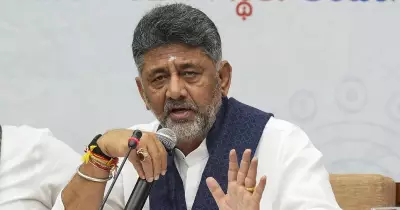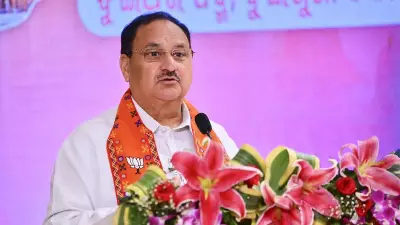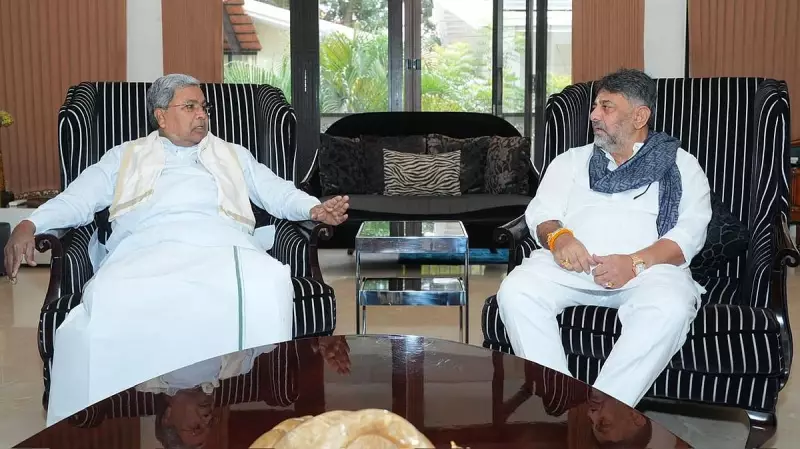
The All India Congress Committee chief has made a significant announcement regarding Karnataka's political landscape. He stated clearly that the party high command will call Chief Minister Siddaramaiah and Deputy Chief Minister D K Shivakumar to New Delhi when necessary.
Post-Festival Summons Planned
Political circles are buzzing with speculation about this development. Multiple sources indicate the high command intends to summon both leaders after the Sankranthi festival concludes. This timing suggests the party wants to address internal matters without disrupting the festive period.
Addressing Leadership Tensions
The planned Delhi meeting aims to settle ongoing leadership disputes within the Karnataka Congress unit. Siddaramaiah and Shivakumar have maintained a working relationship as chief minister and deputy chief minister respectively. However, underlying tensions regarding authority and decision-making have surfaced periodically.

Observers note that the AICC intervention comes at a crucial juncture. The party leadership recognizes the need for unity ahead of upcoming political challenges. Bringing both leaders to Delhi allows for direct discussions in a neutral setting away from Karnataka's political pressures.
Strategic Timing Considerations
Choosing the post-Sankranthi period demonstrates careful planning. The festival provides a natural pause in political activities. This timing allows both leaders to complete their ceremonial and public engagements before traveling to the national capital.
The high command's approach shows a preference for behind-the-scenes resolution rather than public confrontation. By calling the leaders separately from their home turf, the AICC hopes to facilitate more open dialogue and compromise.
Broader Political Implications
This development carries significance beyond the immediate leadership question. Karnataka represents a crucial state for the Congress party nationally. Maintaining stability in the southern state remains a priority for the central leadership.
The AICC chief's statement indicates the high command is taking proactive measures. Rather than waiting for conflicts to escalate, they're initiating discussions at what they consider the appropriate moment. This reflects a strategic approach to internal party management.
Political analysts will watch closely how this situation unfolds. The outcome could influence Congress's organizational approach in other states facing similar internal dynamics. The party's ability to resolve such matters smoothly affects its public image and electoral prospects.