Congress Party Confusion in Kerala: A Deep Dive into the Political Maze
The political scene in Kerala is currently embroiled in a perplexing situation, with multiple parties using variations of the 'Congress' name, creating significant confusion among voters and political observers alike. This phenomenon has sparked debates over identity, legacy, and electoral strategy in one of India's most politically active states.
The Root of the Confusion
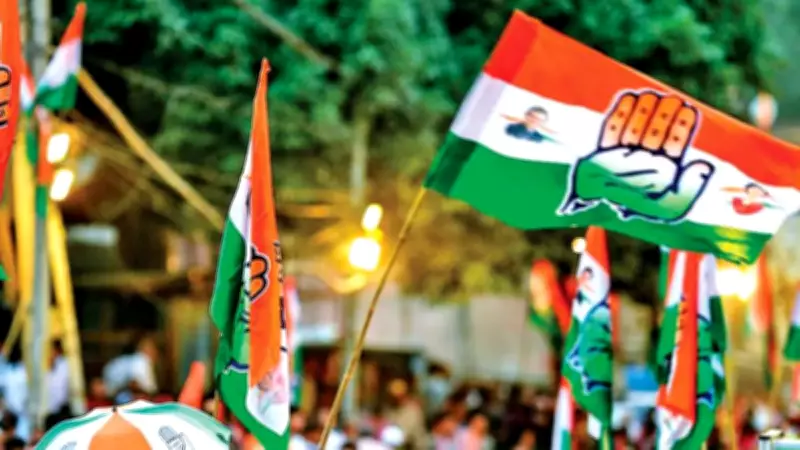
At the heart of this issue is the presence of several political entities that incorporate 'Congress' in their titles, leading to a fragmented and often misleading landscape. The primary player is the Indian National Congress (INC), the mainstream national party with a long-standing presence in Kerala. However, other groups have emerged, such as the Kerala Congress and its various factions, which operate independently but share similar nomenclature.
This overlap has resulted in voter bewilderment, as citizens struggle to distinguish between these parties during elections. Reports indicate that this confusion has occasionally led to split votes and unintended electoral outcomes, affecting the democratic process in the state.

Key Players in the Fray
To understand the complexity, it's essential to identify the main parties involved:
- Indian National Congress (INC): The principal opposition party in Kerala, part of the United Democratic Front (UDF) alliance, with a historical base in the state.
- Kerala Congress (M): A regional party led by Jose K. Mani, which has often allied with the INC but maintains a distinct identity focused on local issues.
- Kerala Congress (B): Another faction, though less prominent, that adds to the multiplicity of 'Congress' names in the political arena.
These parties, while sometimes collaborating, have separate ideologies and voter bases, contributing to the overall confusion. The situation is further complicated by occasional legal disputes over party symbols and names, as seen in past election cycles.
Implications for Kerala Politics
The proliferation of 'Congress' parties has several implications:
- Voter Disorientation: With similar names, voters may inadvertently support a different party than intended, impacting election results and representation.
- Strategic Alliances: The confusion forces parties to engage in complex negotiations and alliances to avoid vote-splitting, shaping coalition politics in Kerala.
- Legal Challenges: There have been instances of parties filing complaints with the Election Commission over name and symbol usage, highlighting the need for clearer regulations.
This scenario reflects broader trends in Indian politics, where regional parties often adopt names that resonate with national movements to gain credibility, yet it poses unique challenges in a state like Kerala with its high political literacy and engagement.
Looking Ahead
As Kerala approaches future elections, this confusion is likely to persist unless addressed through electoral reforms or internal party consolidations. Political analysts suggest that clearer branding and voter education could mitigate some of the issues, but the deep-rooted nature of these parties makes significant change challenging.
In conclusion, the multiple 'Congress' parties in Kerala represent a fascinating case study in political fragmentation and identity. While they enrich the democratic tapestry with diverse voices, they also underscore the need for transparency and clarity in political nomenclature to ensure fair and informed electoral processes.