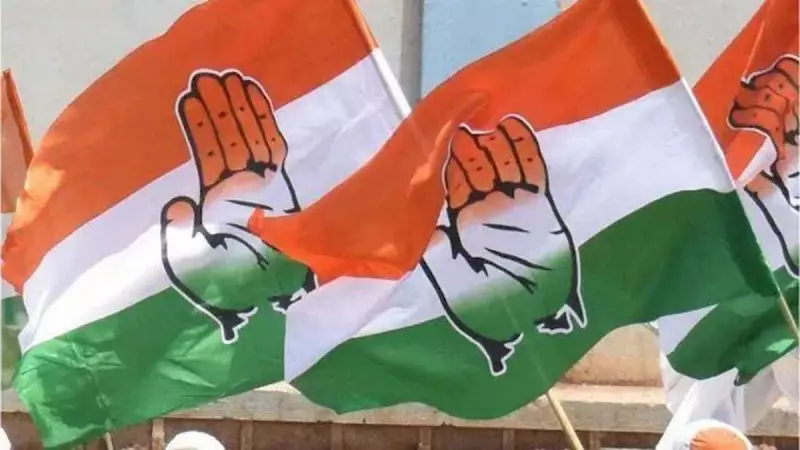
A significant internal rift has emerged within the Tamil Nadu Congress Committee (TNCC) as a growing faction demands a more substantial power-sharing arrangement with its longstanding ally, the Dravida Munnetra Kazhagam (DMK), ahead of the crucial 2026 Tamil Nadu Legislative Assembly elections. This development threatens to strain the cohesion of the opposition alliance in the state.
Growing Dissent Within Congress Ranks
The core of the dispute lies in the dissatisfaction among a section of Congress leaders with the party's perceived subordinate role within the DMK-led Secular Progressive Alliance. These leaders argue that the Congress, as a national party with a dedicated voter base in Tamil Nadu, deserves a more equitable share of seats and a louder voice in strategic decisions. They point to the upcoming 2026 polls as a critical juncture to renegotiate the terms of the partnership.
This internal demand for a greater power share is not merely about seat allocation but extends to a desire for more influential ministerial positions and a stronger say in governance and campaign strategy. The dissenting group believes that the current dynamic does not adequately reflect the Congress's contributions to the alliance's electoral successes, including the 2021 assembly polls and the 2024 Lok Sabha elections.

The High-Stakes Context of the 2026 Elections
The timing of this internal pressure is pivotal. The Tamil Nadu assembly polls in 2026 are viewed as a major electoral battle that will shape the state's political landscape for the next five years. For the Congress, performing well in Tamil Nadu is also essential for reviving its fortunes at the national level.
However, the party's top leadership, including TNCC president K. Selvaperunthagai, faces a delicate balancing act. On one hand, they must address the legitimate aspirations of their cadre and leaders who seek greater recognition and responsibility. On the other hand, they must maintain a stable and cordial relationship with the DMK, the dominant force in the alliance led by Chief Minister M.K. Stalin. Any public spat or aggressive bargaining could potentially weaken the united front against the common rival, the AIADMK-led bloc.
Potential Consequences for the Secular Progressive Alliance
The open discussion of these demands signals a potential shift in the alliance's internal dynamics. If the Congress faction pushing for change gains significant momentum, it could lead to intense behind-the-scenes negotiations between the two parties. The DMK's response will be crucial; while it values the Congress as an ally, it is unlikely to cede ground easily on seats it considers winnable with its own strength.
This internal split over the DMK tie-up presents both a challenge and an opportunity for the Congress. It challenges the party's state leadership to manage internal expectations while safeguarding a crucial alliance. Conversely, it provides an opportunity to formally reassess and potentially strengthen its position within the coalition framework ahead of the high-stakes election. How this internal debate is resolved will be a key factor determining the opposition alliance's unity and effectiveness as the 2026 polls draw nearer.
The situation remains fluid, with party insiders indicating that discussions are ongoing. The final outcome of these internal deliberations and subsequent negotiations with the DMK will likely become clearer as the election schedule approaches, setting the tone for one of Tamil Nadu's most significant political contests.