Congress-DMK Alliance Talks Remain Deadlocked, Threatening Breakup
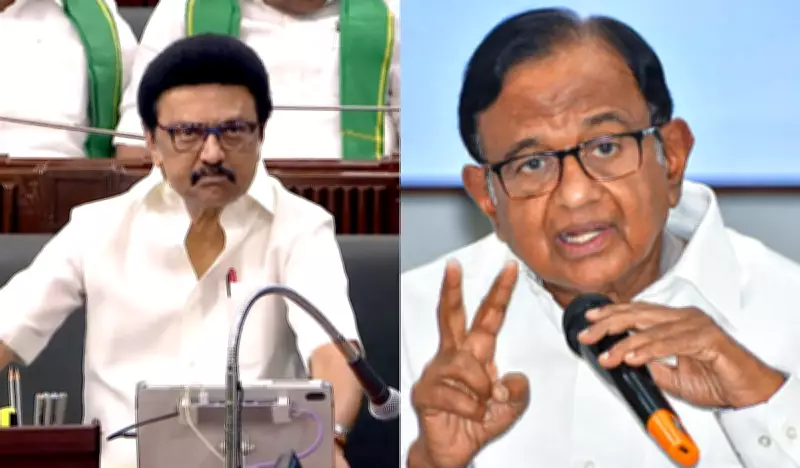
In Tamil Nadu, political tensions are escalating as negotiations between the Congress party and the Dravida Munnetra Kazhagam (DMK) continue to be deadlocked. The stalemate, primarily centered on seat-sharing arrangements for upcoming elections, has raised serious concerns about the potential breakup of this long-standing alliance. Both parties have been engaged in intense discussions, but a resolution appears elusive, with neither side willing to compromise on their demands.
Seat-Sharing Dispute at the Core of the Impasse
The primary issue causing the deadlock is the allocation of constituencies between the Congress and DMK. Reports indicate that the Congress is pushing for a larger share of seats, arguing that it needs to strengthen its presence in the state to effectively challenge rival parties. In contrast, the DMK, as the dominant regional force, is reluctant to concede too many seats, fearing it could weaken its own electoral prospects. This disagreement has led to a prolonged standoff, with multiple rounds of talks failing to yield a consensus.
Historical context adds complexity to the negotiations. The Congress and DMK have a history of alliance in Tamil Nadu, often collaborating in state and national elections. However, past disagreements over seat-sharing have occasionally strained their relationship. The current deadlock is reminiscent of previous conflicts, but insiders suggest that the stakes are higher this time due to the competitive political landscape and the need for a united front against opponents.
Potential Consequences of an Alliance Breakup
If the talks fail and the alliance breaks, it could have significant repercussions for both parties and the broader political scenario in Tamil Nadu. A split might fragment the anti-incumbent vote, potentially benefiting rival parties like the AIADMK or the BJP. For the Congress, losing the DMK's support could further diminish its influence in the state, where it has been struggling to regain ground. Meanwhile, the DMK might face challenges in consolidating its base without the Congress's backing, especially in constituencies where the latter has a stronger presence.
Political analysts are closely monitoring the situation, noting that the outcome of these negotiations could shape election strategies and coalition dynamics in the region. The deadlock has already caused uncertainty among party workers and supporters, who are anxious about the alliance's future. Some observers believe that last-minute compromises might still be possible, but others warn that the differences are too deep to bridge easily.
Broader Implications for National Politics
The Congress-DMK alliance is not just a state-level concern; it has implications for national politics as well. As part of the opposition INDIA bloc, their cooperation is crucial for challenging the ruling BJP-led NDA in upcoming general elections. A breakup in Tamil Nadu could weaken the opposition's cohesion and impact its performance in the state, which sends a significant number of MPs to Parliament. This adds pressure on both parties to resolve their differences, but so far, the deadlock persists.
In summary, the Congress-DMK talks remain deadlocked over seat-sharing, threatening to break an alliance that has been pivotal in Tamil Nadu politics. The situation underscores the challenges of coalition-building in a competitive environment, with both parties weighing their options carefully. As negotiations continue, the political future of the state hangs in the balance, awaiting a resolution that could either mend or end this long-standing partnership.