A Chance Encounter That Changed Everything
On a warm afternoon in 1996, Municipal Commissioner G Sai Prasad embarked on a routine inspection through the bustling lanes of Arundelpet in Guntur. What began as an ordinary administrative duty would soon evolve into a transformative mission that would redefine urban compassion and educational accessibility in Andhra Pradesh.
The Unforgettable Scene at the Pavement Stalls
As Commissioner Sai Prasad walked along the crowded main road, his attention was captured by a remarkable sight. Rows of pavement bookstalls displayed stacks of dog-eared textbooks, tattered novels, old exam guides, engineering manuals, grammar books, and competitive exam materials spread vulnerably under the open sky. The street vendors, unaware they were speaking to the city's civic chief, were meticulously arranging their precious merchandise.
What started as casual observation soon blossomed into a profound two-hour conversation. The vendors opened up about their daily struggles, describing how they collected discarded books from households, sorted them late into the night, carried heavy bundles to the roadside, and spent long hours bargaining with customers. "We do this only to earn our daily bread," one vendor explained, highlighting the precarious nature of their business, especially during monsoon months when rain could wash away both books and their entire income.
A Personal Connection That Sparked Action
Born into a middle-class family, Commissioner Sai Prasad found himself deeply moved by the vendors' stories. The scene stirred powerful memories of his own student days, when he relied heavily on second-hand books while preparing for the civil services examination. Determined not to burden his father, a school teacher, with additional expenses, those old, underlined, time-worn books had played a quiet but decisive role in shaping his future.
Standing amid the pavement stalls, Sai Prasad made a quiet but firm resolve: these hardworking vendors deserved dignity, stability, and recognition for their crucial role in the educational ecosystem. Their contribution to making knowledge accessible to economically disadvantaged students was invaluable yet completely unrecognized.
From Vision to Reality: Creating India's First Book Vendor Complex
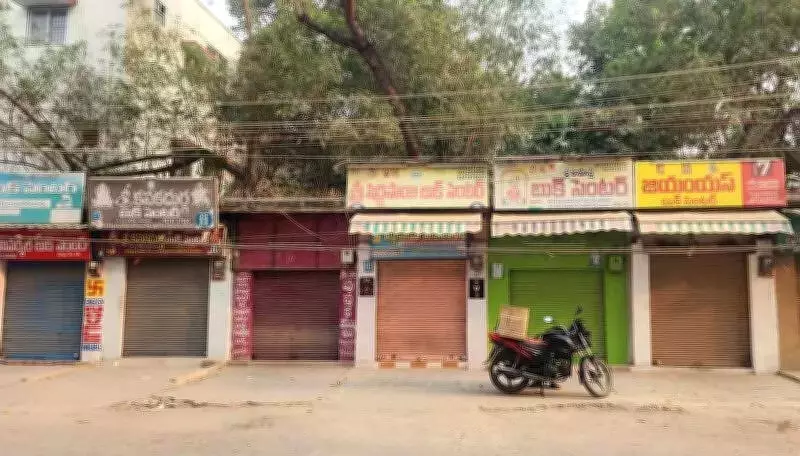
Within a remarkably short time, Commissioner Sai Prasad secured approval from the municipal corporation to construct a dedicated shopping complex exclusively for old book sellers. This initiative was unprecedented—likely the first such complex in Andhra Pradesh, and possibly in India, reserved solely for second-hand book vendors.
The new complex provided shops allotted on nominal leases, offering sellers permanent protection from eviction and weather vagaries while ensuring affordable books remained available for thousands of students. For the vendors, this was more than just brick and mortar—it represented security, identity, and respect they had never experienced before.
The Lasting Impact on Lives and Community
"We never realized we were helping shape so many lives until Sai Prasad encouraged us," recalled T Prasad, one of the shop owners, his voice choking with emotion decades later. "He transformed our lives when he was municipal commissioner."
The complex created a sustainable ecosystem where vendors could operate with dignity while students continued to access affordable educational materials. This innovative solution addressed multiple urban challenges simultaneously: providing livelihood security, preserving educational accessibility, and bringing informal sector workers into the formal urban framework.
A Legacy of Compassionate Administration
Decades after that fateful 1996 encounter, as G Sai Prasad prepares to assume charge as Andhra Pradesh's Chief Secretary, many in Guntur remember not just an efficient administrator, but a compassionate officer who saw possibility in a pile of old books and hope in the hands that sold them.
This story exemplifies how administrative vision, when combined with personal empathy, can create lasting social transformation. The book vendor complex stands today as a testament to what can be achieved when public servants look beyond regulations to see the human stories behind urban landscapes.
The initiative demonstrates that meaningful urban development isn't just about infrastructure projects, but about understanding and uplifting the people who form the city's economic and social fabric. Commissioner Sai Prasad's intervention preserved a vital educational resource while giving dignity to those who make knowledge accessible to all.