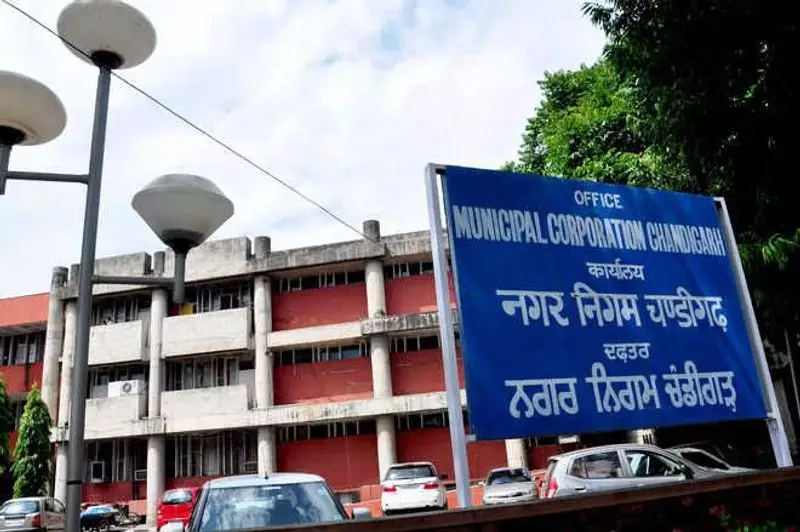
The number of municipal wards in Chandigarh will remain unchanged at 35, following a decisive report from a high-level delimitation committee. The committee, formed to review the ward structure, concluded that there is no valid justification or necessity to alter the current count. This decision has significant implications for the upcoming civic body elections and the political landscape of the Union Territory.
Committee's Rationale and Key Findings
The delimitation committee, tasked with examining the feasibility of increasing or decreasing the number of wards, submitted its findings after a thorough assessment. The panel determined that the existing framework of 35 wards continues to be appropriate for the city's administrative and demographic needs. A primary factor in this conclusion was the analysis of population distribution and the principle of ensuring equitable representation for residents across different sectors of Chandigarh.
The committee's mandate was clear: to evaluate if changes were required to better serve the electorate. After scrutinizing data and ground realities, the members unanimously agreed that the current system is functioning adequately. The report effectively puts an end to speculation and demands from various political quarters that had called for a revision in the ward boundaries or numbers ahead of the next municipal polls.

Implications for Upcoming Municipal Elections
This decision directly impacts the electoral strategy of all political parties preparing for the Chandigarh Municipal Corporation elections. With the ward count solidified at 35, parties can now finalize their candidate selection and campaign planning with certainty. The delimitation exercise is a crucial precursor to elections, as it defines the constituencies from which corporators are elected.
Maintaining the status quo means that the existing voter demographics and political strongholds within each of the 35 wards will largely remain intact. This provides a stable framework for the election process, allowing the State Election Commission to move forward with preparations based on the known ward structure. The decision underscores a commitment to continuity in local governance rather than a structural overhaul at this juncture.
Reactions and the Path Forward
The committee's report is now a formal document that will guide the administration. By stating that no delimitation is needed, the panel has streamlined the pre-election process. The focus for the civic administration and political parties now shifts entirely to the electoral battle for the 35 seats. The report's acceptance means that resources can be dedicated to election logistics rather than a complex boundary-redrawing exercise.
This development is pivotal for Chandigarh's democratic process. It ensures that the election timeline can proceed without delays that often accompany major delimitation work. Residents of Chandigarh can expect the next municipal elections to be conducted within the familiar framework of 35 wards, with the delimitation question settled for the foreseeable future.