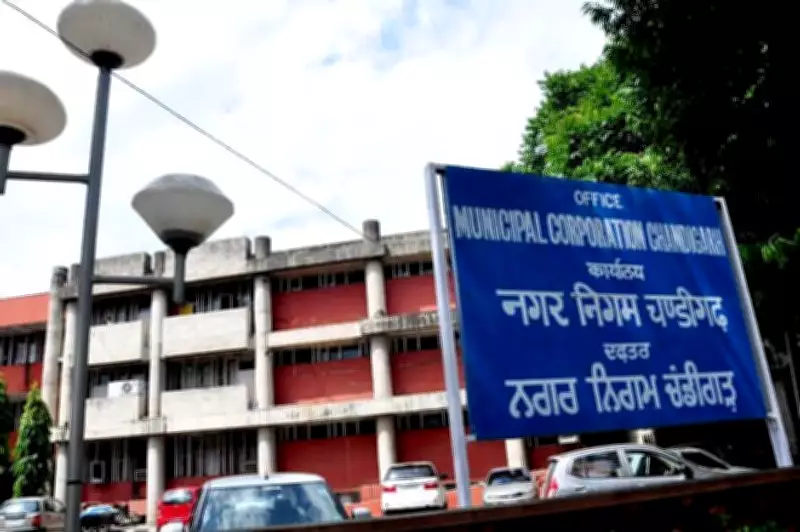
Chandigarh councillors have announced their decision to boycott the upcoming house meeting in protest against the municipal commissioner's recent dissent note. The move has intensified the political standoff between the elected representatives and the administrative wing of the municipal corporation.
Background of the Dispute
The controversy stems from a dissent note issued by the municipal commissioner, which reportedly challenged certain decisions taken by the council. Councillors from various political parties have expressed strong disapproval, stating that the commissioner's actions undermine the democratic process and the authority of the elected body.
Councillors' Standpoint
Speaking on behalf of the councillors, a senior member stated that the boycott is a necessary step to uphold the dignity of the house. He emphasized that the commissioner's dissent note was unwarranted and violated the established norms of municipal governance. The councillors have demanded a retraction of the note and an assurance that such actions will not be repeated in the future.

Impact on Municipal Functions
The boycott is expected to disrupt the scheduled house meeting, which was set to discuss several important civic issues, including budget allocations, infrastructure projects, and public welfare schemes. The absence of councillors may lead to a delay in decision-making on these critical matters, affecting the delivery of services to residents.
Reactions from Political Parties
Political parties have rallied behind the councillors, condemning the commissioner's actions. Leaders from the ruling and opposition parties have called for a resolution to the conflict through dialogue. However, they have also warned that if the issue is not addressed promptly, it could lead to a prolonged deadlock in the municipal corporation.
Public Response
Residents of Chandigarh have expressed mixed reactions to the boycott. While some support the councillors' stance as a defense of democratic principles, others are concerned about the potential disruption to civic services. Local community groups have urged both sides to resolve their differences amicably in the interest of public welfare.
Looking Ahead
The municipal corporation is now at a critical juncture, with the councillors' boycott threatening to stall its functioning. The next steps will depend on whether the commissioner and the administrative wing are willing to address the councillors' grievances. A meeting between the mayor and the commissioner has been proposed to mediate the dispute, but no date has been finalized yet.
As the situation unfolds, all eyes are on the Chandigarh administration to find a way forward that respects the roles of both elected representatives and appointed officials. The outcome of this conflict could set a precedent for municipal governance in the city.