The year 2023 in Chandigarh was a dynamic tapestry woven with threads of public dissent, democratic exercises, and significant administrative actions. The city witnessed large-scale protests, a closely watched municipal election, and policy decisions that sparked widespread debate, keeping it in the national spotlight for much of the year.
Wave of Protests Grips the City
The early months of the year were dominated by a massive protest led by contractual employees and sanitation workers of the Municipal Corporation. Their primary demand was for regularisation of their jobs, a long-standing issue that came to a head. The agitation, which included demonstrations and sit-ins, significantly impacted civic services and brought the city's waste management system to a near standstill at times.
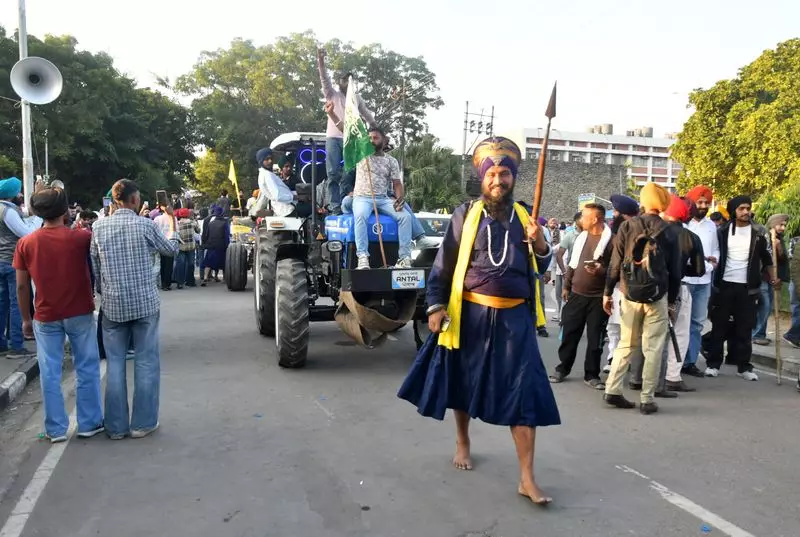
In a separate but equally impactful movement, farmers from Punjab and Haryana used Chandigarh as a key protest site. They converged on the city to press their demands with the state and central governments, focusing on issues like minimum support price (MSP) guarantees and loan waivers. The protests, often centered around key administrative buildings, highlighted the city's role as the shared capital and a focal point for regional agrarian discontent.

Municipal Corporation Elections: A Political Battleground
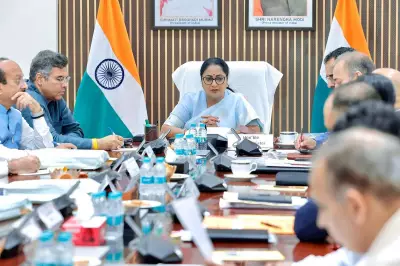
The Chandigarh Municipal Corporation elections held during the year were a major political event. The polls were seen as a crucial test for the ruling BJP at the local level and for the opposition parties aiming to gain a foothold. The campaign was fiercely contested, with local issues like sanitation, infrastructure, and property taxes taking center stage.
The election results led to a hung House, with no single party securing a clear majority. This outcome triggered intense negotiations and political maneuvering to form a stable alliance for mayoral positions. The post-poll scenario underscored the fragmented nature of the city's political landscape and set the stage for a year of potential instability in civic governance.
Key Policy Decisions and Their Aftermath
Beyond protests and polls, 2023 saw the Chandigarh Administration implement several important policy decisions. One of the most discussed was the revision of property tax rates and the method of calculation. The new system, aimed at broadening the tax base and increasing revenue, met with mixed reactions from residents, with many expressing concerns over increased financial burdens.
Another significant move was the push towards enhancing green cover and tackling air pollution. The administration announced stricter regulations on construction dust and promoted the use of electric vehicles through new charging infrastructure projects. However, the enforcement of these environmental norms remained a challenge throughout the year.
The administration also took steps to decongest the city's major entry and exit points, initiating long-term projects to redesign key intersections. While intended to ease traffic, these projects initially caused significant delays and inconvenience to daily commuters, sparking public criticism.
Looking Ahead: Implications for the Future
The events of 2023 have set a complex precedent for Chandigarh. The unresolved issue of contractual employees suggests continued labor unrest is possible unless a permanent solution is found. The hung Municipal Corporation implies that governance may be driven more by political compromise than clear policy mandates, potentially slowing down decision-making on civic issues.
The policy decisions, particularly on taxation and infrastructure, will have long-term effects on the city's livability and economic landscape. The administration's ability to balance revenue generation with public acceptance, and to execute infrastructure projects with minimal disruption, will be closely watched. The year demonstrated that Chandigarh, often perceived as a quiet, planned city, is deeply engaged with the same socio-political and economic currents that flow through the rest of the region, promising another eventful year ahead.