CEC's Kolkata Visit Ignites Political Firestorm in West Bengal
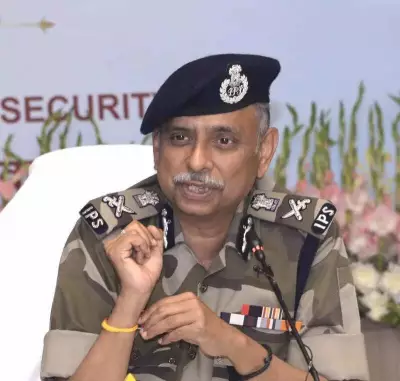
Chief Election Commissioner Gyanesh Kumar arrived in Kolkata on a crucial three-day visit to review election preparations, immediately sparking political controversy and street protests across West Bengal. With assembly elections approaching in 2026, the state finds itself embroiled in escalating tensions over voter eligibility and administrative procedures.
Political Parties Clash Over Voter Roll Allegations
The ruling Trinamool Congress (TMC) has leveled serious allegations of misconduct during recent voter roll revisions, claiming procedural irregularities that could affect electoral fairness. Simultaneously, Bharatiya Janata Party (BJP) leaders have seized upon the controversy to question the TMC's commitment to democratic norms and transparent governance.
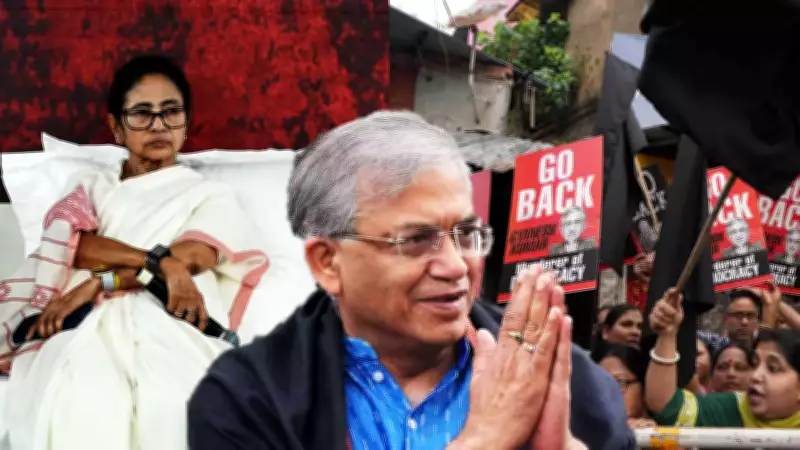
Black flag demonstrations and organized protests have erupted throughout Kolkata and surrounding districts as political activists from various factions express their discontent. High-profile political rhetoric has intensified, with party leaders using the CEC's visit as a platform to amplify their electoral narratives and mobilize supporters.
Administrative Scrutiny and Electoral Preparedness
Commissioner Kumar's visit represents the Election Commission's heightened scrutiny of West Bengal's electoral machinery ahead of the crucial 2026 polls. His agenda includes comprehensive reviews of:
- Voter registration processes and database management
- Polling station arrangements and security protocols
- Administrative readiness of election officials
- Compliance with electoral codes and regulations
The timing of this visit underscores the Commission's recognition of West Bengal's historically volatile election environment, where political clashes and administrative challenges have frequently marred the democratic process.
Broader Implications for 2026 Elections
This controversy arrives at a critical juncture as political parties begin positioning themselves for the upcoming assembly elections. The voter roll disputes have already become a central campaign issue, with opposition parties framing them as evidence of systemic problems while the ruling party defends its administrative record.
Political analysts suggest that these early controversies could significantly shape public sentiment in the coming months, potentially influencing voter behavior and campaign strategies. The Election Commission's handling of these allegations and its subsequent recommendations will likely determine the tone and fairness of the electoral process.
As West Bengal braces for another intense election cycle, the state's political landscape remains deeply polarized. The CEC's visit has merely highlighted existing tensions that will continue to dominate political discourse until voters finally cast their ballots in 2026.