BRS Voices Opposition to Linking Women's Reservation with Delimitation in Telangana
In a significant political development, the Bharat Rashtra Samithi (BRS) has strongly opposed the proposed linking of the women's reservation bill with the delimitation process in Telangana. The party has emphasized the importance of following proper constitutional procedures to ensure the integrity of electoral reforms.
K.T. Rama Rao Clarifies Constitutional Sequence
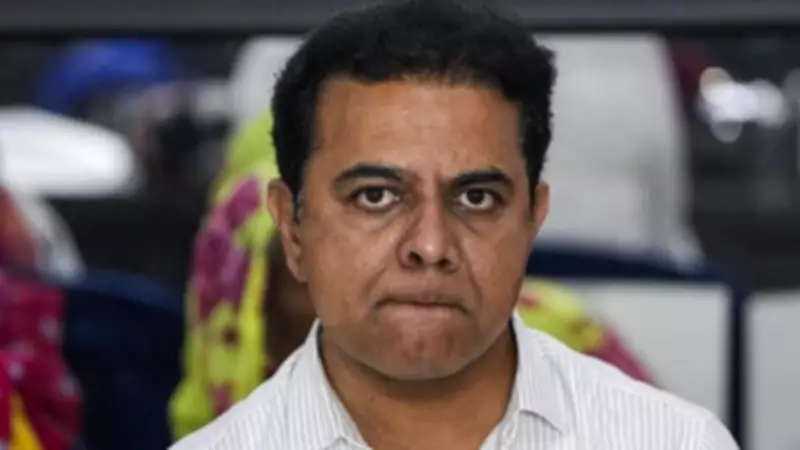
BRS working president and former minister K.T. Rama Rao, commonly known as KTR, has provided crucial clarification regarding the constitutional sequence that must be followed. According to his statement, the proper procedure involves three distinct steps that must occur in a specific order.
The constitutional sequence outlined by KTR includes:

- First, the census must be conducted to gather accurate population data that reflects current demographic realities across all regions.
- Second, delimitation should follow, which involves redrawing parliamentary and assembly constituency boundaries based on the census data to ensure fair representation.
- Only thereafter can structural changes like the implementation of women's reservation be properly considered and implemented within the electoral framework.
Importance of Following Proper Procedure
The BRS position highlights a fundamental principle of constitutional governance: that significant electoral reforms must follow established legal processes. KTR emphasized that bypassing or altering this sequence could undermine the legitimacy of both the delimitation process and the women's reservation initiative.
"The constitutional procedure exists for important reasons," KTR stated in his clarification. "We must first have accurate population data through the census, then properly delimit constituencies based on that data, and only then consider implementing structural changes like women's reservation. This ensures fairness and transparency in our democratic processes."
Political Context and Implications
This position places the BRS at the center of an important national debate about electoral reforms and women's representation in politics. The party's stance suggests that while they may support the principle of women's reservation, they believe it must be implemented through proper constitutional channels rather than being linked to or dependent on the delimitation process.
The timing of this clarification is significant, coming as political parties across India are preparing for future electoral cycles and considering various reform proposals. Telangana, as a key state in southern India, often plays an influential role in national political discussions, making the BRS position particularly noteworthy.
Political analysts suggest that this position reflects the BRS's commitment to procedural integrity while also potentially positioning the party as a defender of constitutional processes in electoral matters. The clarification comes amid ongoing discussions about how best to implement women's reservation while ensuring fair representation across different regions and communities.
As the debate continues, the BRS's insistence on following the proper constitutional sequence—census first, delimitation second, structural changes third—adds an important procedural dimension to discussions about electoral reforms in India. This position may influence how other political parties approach similar issues and could shape the implementation timeline for women's reservation across the country.