Mumbai's Civic Battle: Thackeray Legacy on the Line
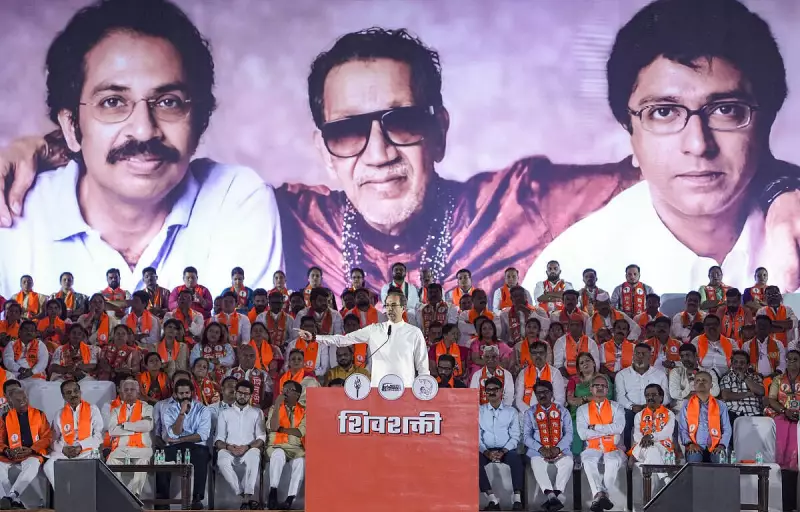
The upcoming Brihanmumbai Municipal Corporation election represents more than just another civic poll. This contest will decide the political fate of the Thackeray family, whose influence has shaped Mumbai for generations. From the late Balasaheb Thackeray onward, the family established itself as the definitive voice for the city's Marathi-speaking middle class. They molded Mumbai's street politics, cultural identity, and civic conversations in profound ways.
A Family's Political Inheritance
For decades, the Thackeray name carried immense weight in Mumbai's political landscape. Balasaheb Thackeray built a powerful movement that resonated deeply with the Marathi manoos. His son Uddhav Thackeray continued this legacy, while cousin Raj Thackeray carved his own political path. Now, the BMC election serves as a critical test of their enduring relevance. Voters will deliver a verdict on whether the family still commands the loyalty of Mumbai's heart.
Shaping Mumbai's Identity
The Thackeray influence extends far beyond election cycles. They fundamentally shaped how Mumbai sees itself. Their politics championed Marathi language and culture within India's financial capital. They set the agenda for civic discourse, often determining which issues dominated public conversation. From local governance matters to broader cultural debates, their presence remained unmistakable. The upcoming BMC polls will reveal whether this influence persists or faces significant erosion.

Political observers note this election carries symbolic weight beyond municipal governance. It represents a referendum on the Thackeray political model. Can their brand of identity politics still mobilize voters in contemporary Mumbai? The answer will emerge when ballot boxes open. The family's future in Maharashtra politics may well depend on this single electoral outcome. Mumbai prepares to write the next chapter in this political dynasty's story.