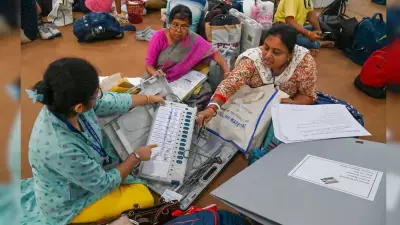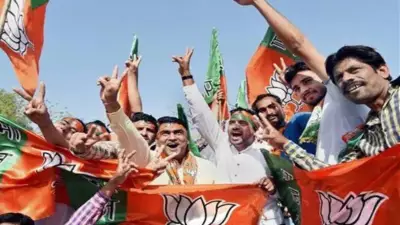
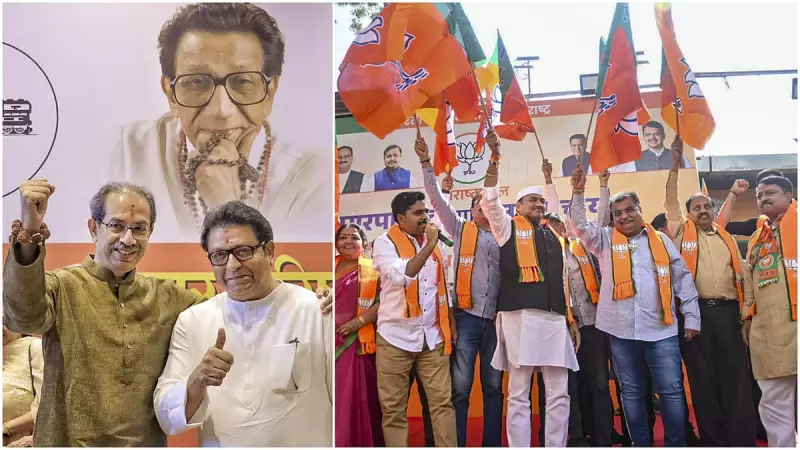
The upcoming Brihanmumbai Municipal Corporation (BMC) elections are shaping up to be a pivotal battleground for Maharashtra's political future. At the heart of the contest is a familiar narrative: the appeal to the 'Marathi manoos' (Marathi-speaking native). This time, however, the political landscape is fractured, with cousins Uddhav Thackeray and Raj Thackeray aiming to harness this sentiment, while facing the consolidated might of the Bharatiya Janata Party (BJP) and its ally.
The Thackeray Gambit: A Shared Pitch on Identity
Both factions led by the Thackeray cousins are strategically positioning themselves as the true champions of Marathi pride and Mumbai's local interests. Uddhav Thackeray's Shiv Sena (UBT) and Raj Thackeray's Maharashtra Navnirman Sena (MNS) are expected to build their campaigns around issues of regional identity, employment for locals, and the preservation of Marathi culture in India's financial capital. This focus is a calculated move to consolidate their traditional voter base and differentiate themselves from national parties.
Despite their shared surname and similar rhetoric, the two leaders operate independently, potentially splitting the vote that historically leaned towards a unified Shiv Sena. This fragmentation presents a complex challenge for their electoral ambitions, making a direct alliance between them a subject of intense speculation, though none has been formally announced.
The Formidable BJP-Shiv Sena Alliance
On the other side stands a powerful electoral combine. The BJP has a pre-existing alliance with the Eknath Shinde-led Shiv Sena for the Mumbai civic polls. This partnership combines the BJP's organizational strength and national appeal with the Shinde faction's claim to the original Shiv Sena's grassroots network. This alliance is a significant hurdle for the Thackeray cousins, as it directly contests their claim to Bal Thackeray's legacy and the Marathi vote.
Furthermore, the political calculus involves the Ajit Pawar-led Nationalist Congress Party (NCP). As of the latest reports on 26 December 2025, no formal electoral arrangement between the BJP-Shiv Sena alliance and Ajit Pawar's NCP has been finalized for the BMC elections. The inclusion of this faction could further alter the dynamics, creating a larger opposition front against the Thackeray-centric parties.
Strategic Implications and the Road Ahead
The BMC election is more than a battle for control of India's richest municipal corporation; it is a referendum on political realignments in Maharashtra post-2024. The outcome will test the resilience of identity-based politics against well-funded, organized national alliances. It will also measure the personal influence of Uddhav and Raj Thackeray in their home turf without the backing of their former major party structures.
Key factors to watch include:
- Voter Segmentation: How the Marathi-speaking vote splits between the Thackeray factions and the Shinde-led Shiv Sena.
- Alliance Clarity: Whether the BJP-Shiv Sena alliance formalizes a deal with Ajit Pawar's NCP.
- Campaign Narrative: If local civic issues eventually overshadow the broader identity politics pitch.
The results will have profound consequences for the stability of the state government and set the tone for future political strategies in Maharashtra's urban heartland. All eyes are now on Mumbai as candidates prepare for a high-stakes contest that could redefine the state's power equations.