A recent public appeal by a Bharatiya Janata Party (BJP) leader to respect Hindutva ideologue Vinayak Damodar Savarkar has triggered a fresh political storm in Maharashtra, exposing fault lines within the ruling Mahayuti coalition. The controversy, erupting in the midst of a high-decibel campaign for municipal corporation elections, has put the alliance's cohesion to a stern test.
The Spark That Lit the Fire
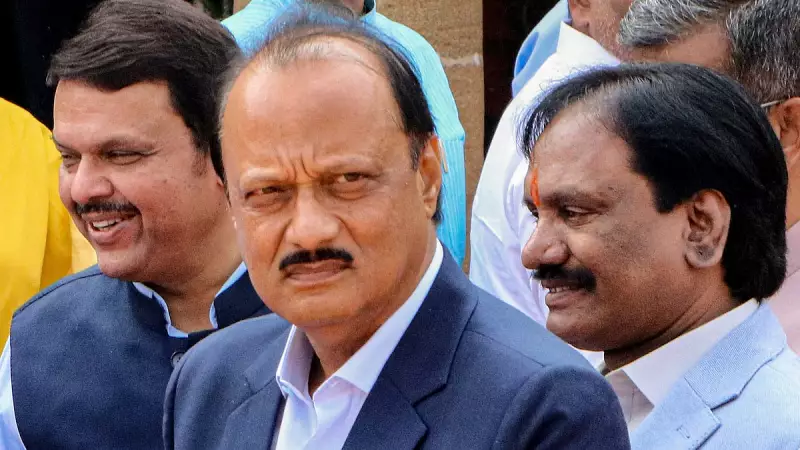
The flashpoint emerged when a senior BJP figure, during an election rally, emphasized the need to honor Savarkar's legacy. This statement was swiftly countered by leaders from the Nationalist Congress Party (NCP), a key constituent of the Mahayuti alliance. The NCP leaders reiterated their party's foundational commitment to the ideology of Dr. B.R. Ambedkar, drawing a clear ideological line in the sand. The public disagreement, unfolding on January 06, 2026, marks a significant and visible rift between the allies at a critical electoral juncture.
Ideological Divide Takes Center Stage
The entry of Savarkar into the campaign discourse has sharply highlighted the underlying ideological differences that the alliance often papers over for political convenience. For the BJP, Savarkar remains a central icon of its cultural and nationalist narrative. However, for many within the NCP, which has a strong base among Other Backward Classes (OBCs) and Dalits, the figure of Ambedkar is paramount. The NCP's sharp retort, asserting its "commitment to Ambedkarite ideology," was a direct response meant to reassure its core voter base and distinguish its stance from that of its ally.
This is not merely a war of words but a strategic positioning. With municipal polls often fought on hyper-local and community-centric issues, both parties are keen to consolidate their traditional vote banks without ceding ground. The public spat suggests that the alliance's seat-sharing arrangements and coordinated campaigning are under strain, as each party maneuvers to protect its distinct political identity.
Implications for the Mahayuti Alliance
The immediate consequence of this controversy is the creation of an awkward campaign atmosphere for the Mahayuti partners. Instead of presenting a united front against the opposition Maha Vikas Aghadi (MVA), the coalition is now forced to manage internal discord. This incident raises questions about the long-term stability of the alliance beyond the immediate electoral cycle. Political analysts suggest that such open disagreements could confuse voters and potentially benefit the opposition.
Furthermore, the timing is particularly sensitive. Municipal corporation elections in Maharashtra are a key barometer of political sentiment and a crucial battleground for grassroots dominance. A fractured message from the ruling alliance could impact its performance, affecting not just local body control but also setting the tone for future state-level politics. The leadership of both the BJP and the NCP now faces the delicate task of damage control, needing to soothe ruffled feathers while ensuring their respective campaign narratives remain effective.
In conclusion, the controversy over the Savarkar remark is more than a fleeting political skirmish. It is a symptom of the inherent ideological tensions within the Mahayuti, which have been brought to the fore by the pressures of competitive electoral politics. How the alliance navigates this rift will be closely watched as a indicator of its resilience and future trajectory in the complex political landscape of Maharashtra.