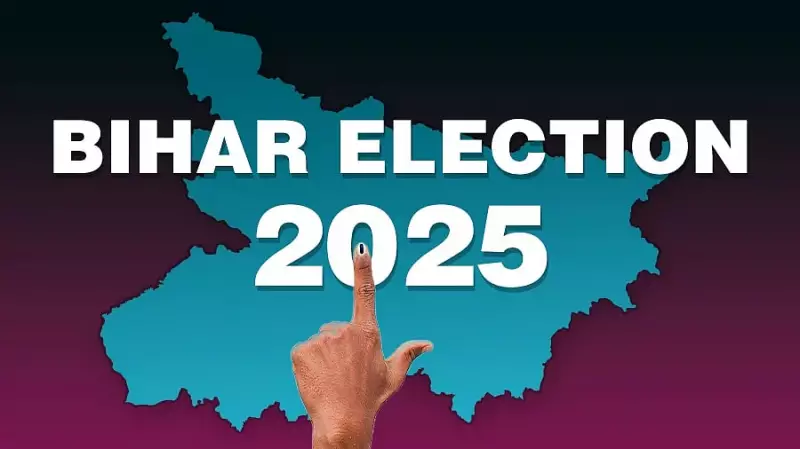
In a decisive victory that has captured political attention across Bihar, Bharatiya Janata Party's Prem Ranjan Patel has emerged victorious from the Belhar constituency in the 2025 Bihar Assembly elections. The BJP candidate secured a commanding win with a substantial margin of 18,542 votes against his closest rival.
Election Results Breakdown
The electoral battle saw Prem Ranjan Patel of the BJP clinch the seat with impressive numbers, while Kumar Neeraj, representing the Rashtriya Janata Dal (RJD), had to settle for the second position. The voting patterns revealed strong support for the BJP candidate across various segments of the Belhar constituency.
Key Constituency Details
Belhar constituency, situated in the Banka district, forms part of the Banka Lok Sabha constituency and has been a significant political battleground in recent elections. The 2025 contest witnessed intense campaigning from all major political parties, with development and local issues taking center stage during the election discourse.

Political Significance
This victory holds considerable importance for the BJP as it strengthens the party's position in the Bihar legislative assembly. The win in Belhar constituency contributes to the broader political landscape of Bihar, where every seat plays a crucial role in government formation and opposition dynamics.
The election results from Belhar reflect the continuing political realignments and voter preferences in rural Bihar, where development agenda and candidate credibility often determine electoral outcomes. The substantial victory margin indicates strong voter mobilization and effective campaign strategies employed by the winning candidate.
Electoral Context
Belhar has historically witnessed competitive politics, with different parties claiming victory in various elections. The 2025 results continue this tradition of keenly contested elections, though with a clear mandate for the BJP candidate this time around.
Political analysts are closely examining these results to understand shifting voter patterns and the effectiveness of various parties' outreach programs in the region. The outcome is expected to influence future political strategies and alliance formations in Bihar politics.