BJP Leader Nitin Nabin Alleges 'Double Standards' in West Bengal's Religious Permissions
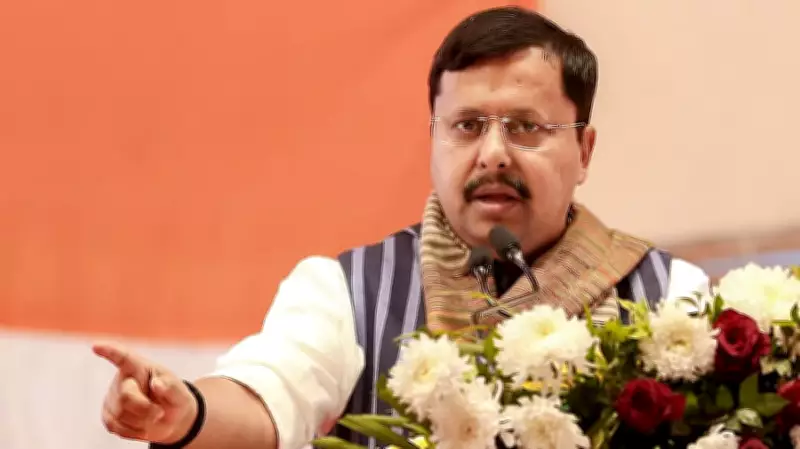
Bharatiya Janata Party (BJP) leader Nitin Nabin has raised serious allegations against the West Bengal government, accusing it of applying "double standards" in granting permissions for religious activities. Nabin claimed that while namaz (Islamic prayers) can be offered freely in the state, Hindu pujas require prior approval from the courts, a situation he described as "unfortunate" and discriminatory.
Nabin's Statement at Dakshineswar Temple
Nitin Nabin made these remarks while speaking to reporters after offering prayers at the Dakshineswar Temple, located on the outskirts of Kolkata. He emphasized that this disparity in treatment between different religious practices undermines the principles of equality and secularism enshrined in the Indian Constitution.
Key points from Nabin's allegations include:

- Namaz is permitted without restrictions, allowing Muslims to practice their faith openly.
- Hindu pujas, however, face bureaucratic hurdles and necessitate court orders for approval.
- This creates an uneven playing field, favoring one religion over another in West Bengal.
Context and Implications
The controversy emerges against the backdrop of the upcoming West Bengal Assembly Elections in 2026, where religious and cultural issues are expected to play a significant role in political discourse. Nabin's comments highlight growing tensions over religious freedoms and governance in the state.
Observers note that such allegations could fuel debates on:
- The implementation of uniform policies for all religious communities.
- The role of state authorities in regulating public religious events.
- Potential impacts on communal harmony and electoral dynamics.
Nabin urged the West Bengal government to address these concerns promptly, advocating for a fair and transparent system that respects all faiths equally. He called on citizens and policymakers to reflect on these issues to ensure justice and peace in the region.