With the high-stakes Brihanmumbai Municipal Corporation (BMC) elections scheduled for January 15, the Bharatiya Janata Party (BJP) is navigating the complex political terrain of Marathi identity politics. The potential reunion of estranged Thackeray cousins, Uddhav Thackeray of Shiv Sena (UBT) and Raj Thackeray of the Maharashtra Navnirman Sena (MNS), poses a significant challenge, forcing the BJP to carefully calibrate its strategy around the emotive issue of Marathi asmita (pride).
The Marathi Manoos Factor: A Historical Sena Fortress
The undivided Shiv Sena, founded by Bal Thackeray on June 19, 1966, was built squarely on the plank of Marathi identity, championing the cause of the sons of the soil against non-Marathi migrants. This legacy, intertwined with the Samyukta Maharashtra Movement of 1956-60, has been the bedrock of the party's appeal for decades. It is this very factor that has helped the Sena retain control over India's richest civic body for nearly 30 years.
The demographic weight is substantial: nearly 26 per cent of Mumbai's electorate is Marathi-speaking, making their mobilization crucial in any civic poll. BJP leaders privately acknowledge that any campaign by a united Sena (UBT)-MNS front centered on Marathi pride could prove critical, potentially derailing the BJP's ambitious plan to finally capture the BMC mayor's post.

BJP's Confidence and Counter-Strategy
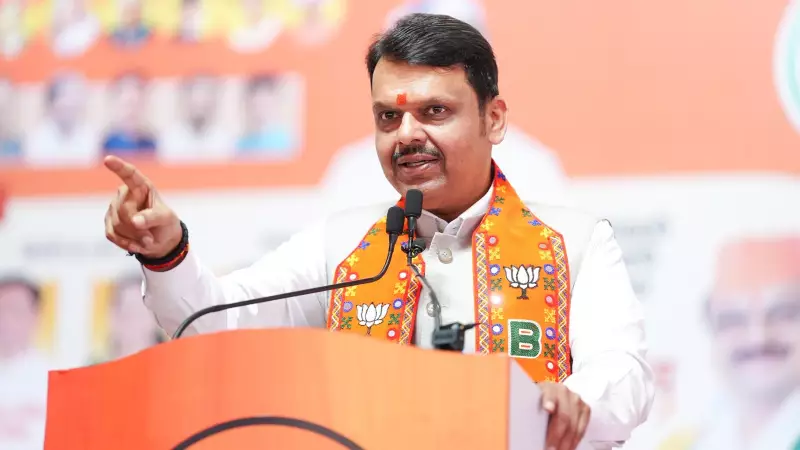
Publicly, the BJP leadership, led by Chief Minister Devendra Fadnavis, projects confidence. Fadnavis has dismissed concerns over the impact of a Thackeray alliance, stating, "We are confident of success... We will have a Mahayuti Mayor in BMC." The party's primary counter-narrative is development. Fadnavis has consistently highlighted the mega infrastructure projects undertaken in Mumbai since 2014, arguing that tangible progress will override regional and emotive considerations.
The BJP's optimism is partly rooted in its inroads among non-Marathi voter blocs. The party has made significant gains among North Indian and Gujarati communities, who together constitute an estimated 30-35% of the electorate. However, strategists concede that the average 11 per cent Muslim vote bank is likely to align against the party.
In a direct attack, BJP minister Ashish Shelar recently questioned the Thackerays' commitment to Marathis, accusing the Sena (UBT) of corruption during its long BMC rule and being "responsible for driving away Marathis from the city."
High Stakes and Political Maneuvers
The upcoming BMC polls represent a pivotal moment for the BJP. Despite being in power at the Centre and often in the state, the party has never had its own mayor in the Mumbai civic body since its formation in 1980. The 2017 election was a watershed, where the BJP's tally jumped to 82 seats from just 33 in 2012, coming within two seats of the then-undivided Shiv Sena's 84.
The political atmosphere is charged. The announcement of poll dates was followed by the appearance of anonymous posters in areas like Girgaon and Dadar, with messages urging Marathi people to "wake up" for a "fight for your very existence." Meanwhile, Sena (UBT) leader Sanjay Raut has declared that the Thackeray brothers will soon announce a formal union to prevent Mumbai from going "into the hands of Narendra Modi and Amit Shah."
Uddhav Thackeray has escalated the rhetoric, accusing the BJP-led Centre of a "game plan to break Mumbai from Maharashtra" and diverting key projects to Gujarat, alleging that "BMC is their target." As the election campaign intensifies, the battle for Mumbai is shaping up to be a fierce contest between the BJP's development agenda and the Sena's potent appeal to Marathi identity.