BJP Unveils Comprehensive Manifesto for Kerala Assembly Elections
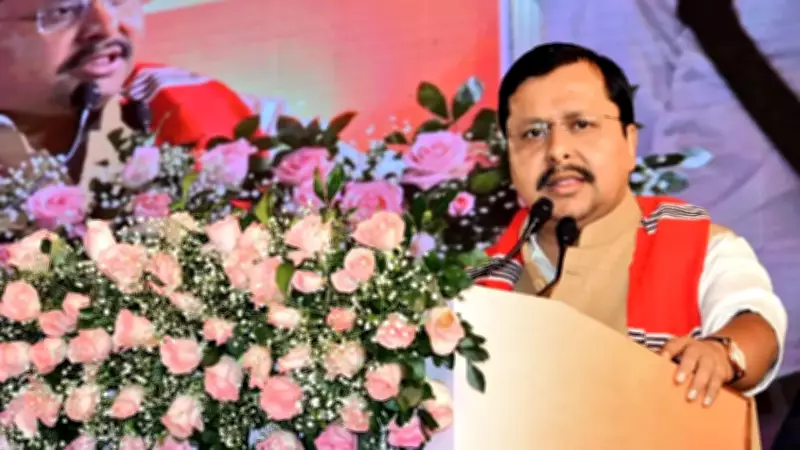
In a significant political development ahead of the upcoming Kerala Assembly elections, the Bharatiya Janata Party (BJP) on Tuesday released its detailed manifesto, outlining a comprehensive vision for the state's future. Party chief Nitin Nabin formally unveiled the document, which presents a multifaceted approach combining substantial welfare promises, ambitious infrastructure projects, and specific temple-related measures designed to resonate with Kerala's diverse electorate.
Welfare Initiatives and Economic Support
The manifesto places strong emphasis on social welfare, with several targeted financial assistance programs. Among the most notable commitments is a welfare pension of Rs 3,000 per month specifically designed for needy women, widows, and senior citizens above 70 years of age. This monthly financial support aims to provide economic security to vulnerable segments of Kerala's population.
In a move addressing basic household needs, the BJP has promised 20,000 litres of free water per month to every household across Kerala. This initiative seeks to alleviate water access concerns while reducing monthly expenses for families throughout the state.

Further expanding its welfare outreach, the manifesto includes provisions for two free LPG cylinders annually for economically disadvantaged families. These cylinders would be distributed strategically during major festivals, with one provided during Onam and another during Christmas, recognizing Kerala's cultural and religious diversity.
For women in need, the BJP has proposed the introduction of a Bhakshya Arogya Suraksha card with a monthly recharge of Rs 2,500. This specialized card would enable beneficiaries to purchase essential medicines and groceries, addressing both healthcare and nutritional needs through a single support mechanism.
Infrastructure and Development Commitments
On the development front, the BJP has made several high-profile infrastructure promises. The manifesto commits to establishing an AIIMS (All India Institute of Medical Sciences) facility in Kerala, which would significantly enhance the state's healthcare infrastructure and provide advanced medical services to residents.
Additionally, the party has proposed a high-speed railway network connecting Thiruvananthapuram to Kannur. This ambitious transportation project aims to improve connectivity between major cities in Kerala, potentially boosting economic activity and making travel more efficient across the state's length.
Temple Administration and Religious Focus
The manifesto dedicates substantial attention to temple administration and religious sites, with particular focus on Sabarimala. The BJP has pledged to protect Sabarimala, Guruvayoor, and all other places of worship through systematic reforms of Devaswom Boards. These reforms would specifically aim to increase participation of devotees in temple management, creating more transparent and inclusive administrative structures.
Regarding the Sabarimala gold theft case, the BJP has promised a time-bound Central Bureau of Investigation (CBI) enquiry to address corruption concerns and ensure thorough investigation of the incident. This commitment reflects the party's emphasis on accountability in temple administration.
Furthermore, the manifesto announces plans for a Sabarimala Infrastructure Development Mission dedicated to undertaking large-scale, devotee-centric infrastructure development at the hill-top shrine. This initiative would focus on improving facilities and accessibility for the millions of pilgrims who visit the sacred site annually.
Electoral Context and Timeline
Kerala is scheduled to vote in a single phase on April 9, with vote counting set for May 4. The state comprises 140 Assembly seats, making this election crucial for determining Kerala's political direction. Since 2016, Left leader Pinarayi Vijayan has served as chief minister, leading the Left Democratic Front (LDF) government that currently holds power in the state.

The BJP's manifesto release represents a significant moment in Kerala's electoral landscape, presenting voters with a detailed alternative vision that combines economic support, infrastructure development, and cultural preservation. As the election approaches, these promises will likely shape political discourse and influence voter decisions across Kerala's diverse constituencies.