BJP Leader R. Ashoka Calls for Action Against Pro-Khamenei Processions in Karnataka
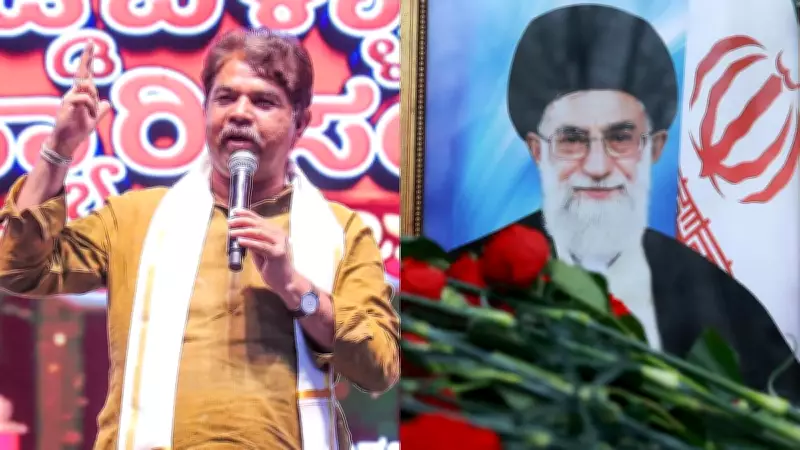
Senior Bharatiya Janata Party (BJP) leader and former Deputy Chief Minister of Karnataka, R. Ashoka, has formally demanded that the state government take immediate and stringent legal action against individuals who participated in processions expressing support for Iranian Supreme Leader Ali Khamenei. This development follows reports of such gatherings occurring in various parts of Karnataka, which have sparked significant political and security debates.
Details of the Processions and Ashoka's Concerns
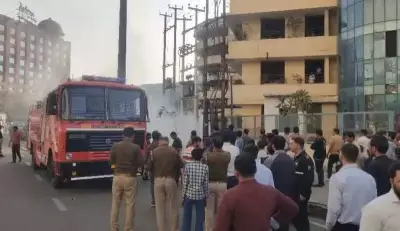
The processions in question involved participants displaying banners and chanting slogans in favor of Ali Khamenei, the Supreme Leader of Iran. R. Ashoka has raised alarms about these events, arguing that they could potentially disrupt public order and pose risks to national security. In his statement, he emphasized that such activities might violate Indian laws, particularly those related to maintaining communal harmony and preventing external influences on domestic affairs.
Ashoka highlighted that allowing pro-foreign leader demonstrations could set a dangerous precedent, encouraging similar actions by other groups and leading to instability. He urged the Karnataka government, currently led by the Congress party, to investigate the matter thoroughly and prosecute those involved under relevant legal provisions to deter future incidents.
Political and Security Implications
This issue has quickly become a point of contention in Karnataka's political landscape, with the BJP leveraging it to criticize the ruling Congress administration for perceived inaction. The call for action underscores broader concerns about how India manages expressions of support for foreign political figures, especially in a diverse and democratic context.
From a security perspective, experts note that such processions could be exploited by malicious actors to spread propaganda or incite tensions, particularly given the complex geopolitical dynamics involving Iran. Ashoka's demand reflects a growing vigilance among Indian politicians regarding external ideological influences and their impact on local law and order.
Government Response and Legal Framework
As of now, the Karnataka government has not issued an official response to Ashoka's demands. However, legal analysts point out that Indian authorities have the power to act under laws such as the Indian Penal Code and the Unlawful Activities (Prevention) Act if the processions are deemed to threaten public peace or national integrity.
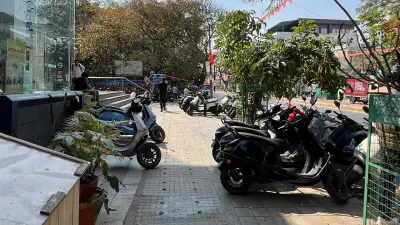
- The processions reportedly took place in multiple locations across Karnataka, though specific details on the scale and exact locations remain unclear.
- Participants are alleged to have engaged in activities that could be interpreted as endorsing a foreign leader, raising questions about compliance with Indian regulations on foreign interference.
- R. Ashoka's intervention is seen as part of the BJP's broader strategy to hold the state government accountable on issues of governance and security.
This incident highlights the delicate balance between freedom of expression and national security in India, with political leaders like Ashoka advocating for a firm stance to prevent any potential escalation. The outcome of this demand could influence how similar cases are handled in the future, both in Karnataka and nationally.