BJP's Dual Strategy for West Bengal 2026: Hindutva and Bengali Identity
As the 2026 West Bengal Assembly elections approach, the Bharatiya Janata Party (BJP) is deploying a nuanced political strategy that seeks to harmonize its core Hindutva ideology with the rich cultural fabric of Bengal. This tactical shift is a direct response to persistent allegations from rivals, particularly the Trinamool Congress (TMC), that the BJP is fundamentally anti-Bengali in its outlook and policies.
Cultural Messaging: Beyond "Jai Shri Ram"
In a notable evolution of its campaign rhetoric, BJP leaders are now prominently incorporating Bengali cultural and religious symbols into their public addresses and political messaging. While the traditional chant of "Jai Shri Ram" remains a staple, it is increasingly being supplemented with invocations to deities deeply revered in Bengali households, such as "Jai Ma Kali" and "Jai Ma Durga." Furthermore, references to Rabindranath Tagore, the iconic Bengali poet and Nobel laureate, are being woven into speeches to underscore the party's respect for Bengal's literary and intellectual heritage.
This calculated move aims to project the BJP as a party that not only upholds Hindu values but also celebrates and identifies with the unique cultural identity of West Bengal. By doing so, the BJP hopes to dismantle the narrative that it is an outsider force imposing a homogenized national culture, instead positioning itself as a protector of both Hindu and Bengali traditions.

Countering the "Anti-Bengali" Narrative
The "anti-Bengali" charge has been a significant political hurdle for the BJP in West Bengal, a state with a strong sense of regional pride and identity. The Trinamool Congress, led by Chief Minister Mamata Banerjee, has consistently framed the BJP as a party that does not understand or value Bengali culture, language, and aspirations. In response, the BJP's new messaging strategy is designed to directly counter this perception.
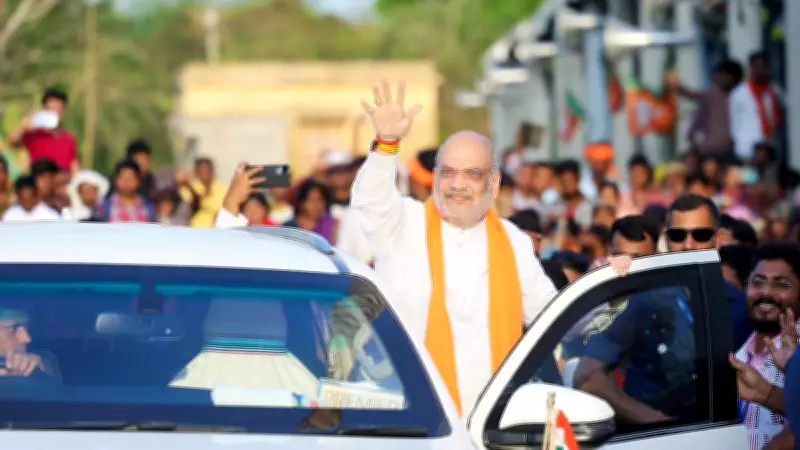
Senior BJP leaders, including Union Home Minister Amit Shah, have been at the forefront of this rebranding effort. Their speeches now frequently highlight the party's commitment to preserving Bengali culture while simultaneously advancing its national agenda. This dual focus is intended to resonate with voters who are proud of their Bengali roots but may also align with the BJP's broader ideological and governance vision.
Strategic Implications for the 2026 Elections
The 2026 West Bengal Assembly elections are shaping up to be a critical battleground, with the BJP aiming to build on its significant gains from previous elections and potentially unseat the incumbent Trinamool Congress. The party's strategy of blending Hindutva with Bengali identity is seen as a key component of its electoral playbook to expand its voter base beyond its traditional support segments.
Political analysts suggest that this approach could help the BJP appeal to a broader spectrum of Bengali society, including those who may have been hesitant to support the party due to cultural concerns. By invoking local deities and cultural icons, the BJP is attempting to create a more relatable and inclusive image, one that acknowledges the distinctiveness of Bengal within the larger Indian polity.
However, the success of this strategy remains to be seen, as it will be tested against the Trinamool Congress's deep-rooted connection with Bengali sub-nationalism and its own efforts to champion regional identity. The electoral outcome will likely hinge on whether voters perceive the BJP's cultural overtures as genuine or merely tactical.
As the campaign intensifies, the political discourse in West Bengal is expected to be dominated by this interplay between national ideology and regional identity, making the 2026 elections a pivotal moment in the state's political landscape.