

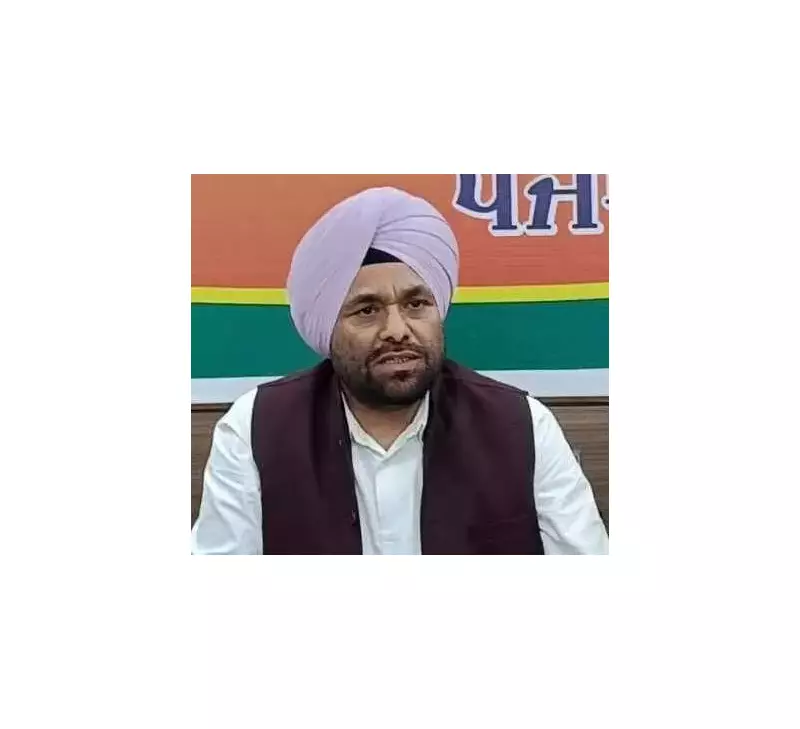
In a significant move, the Bharatiya Janata Party's Scheduled Caste Morcha in Punjab has called for a thorough investigation into the implementation of the Mahatma Gandhi National Rural Employment Guarantee Act (MGNREGA) in the state. The party's state vice-president, Paramjit Singh Kainth, on Monday urged Chief Minister Bhagwant Mann to issue a detailed white paper on the alleged irregularities that have occurred over the past ten years.
Demand for Transparency and Accountability
Kainth asserted that if the state government is confident in its governance record, it should publicly disclose verifiable facts. He demanded comprehensive data, broken down by district, block, and gram panchayat. This data should include specifics on job cards issued, registered demand for work, employment actually provided, muster rolls, work measurements, material procurement, payments made, and compliance with mandatory social audits.
He emphasized that a white paper is a fundamental standard of accountability. It would allow the citizens of Punjab to independently assess whether the substantial funds allocated under the scheme actually reached the intended beneficiaries. Furthermore, it would reveal if the assets created through the programme, such as roads and ponds, are durable and useful for the community.

Recurring Complaints and Need for Forensic Scrutiny
Referring to numerous complaints and audit observations raised over the years, Kainth stated that these point to persistent risk patterns that require forensic-level scrutiny. The alleged irregularities he highlighted include:
- Existence of fake or duplicate job cards.
- Payments authorized based on forged or unreliable documentation.
- Muster rolls being inflated with ghost names.
- Payments made for work that was never actually performed.
- Projects shown as completed without creating any lasting, durable outcomes.
- Inclusion of ineligible or even deceased persons as beneficiaries to siphon funds.
The BJP leader insisted that the proposed white paper must also disclose the current status of any departmental inquiries, First Information Reports (FIRs) registered, amounts recovered from wrongdoers, action taken against erring officials and panchayat functionaries, and the corrective measures implemented to prevent such issues from recurring.
Welcoming New Act, Criticising Special Session
Simultaneously, Kainth welcomed the recent enactment of the Viksit Bharat–Guarantee for Rozgar and Aajeevika Mission (Gramin) Act, 2025. He described this central legislation as a significant reform framework aimed at modernising rural employment delivery. The new act aligns employment generation more closely with the creation of durable rural infrastructure.
He noted that MGNREGA and its successor are among the largest rural livelihood and infrastructure interventions globally. Therefore, they must be implemented with clear service standards and strict accountability, especially in states like Punjab where serious integrity concerns have been raised.
Kainth pointed out that the new Act strengthens livelihood security by increasing the statutory guarantee of wage employment to 125 days per rural household per financial year. It also tightens payment discipline, mandating weekly wage payments or, in any case, payment within 15 days of work completion. The framework makes social audits mandatory, emphasizes women's participation, and enhances transparency mechanisms.
However, he criticised the state government's decision to convene a special session of the Punjab Assembly. He argued that this should not divert attention from pressing governance priorities in rural development, programme integrity, and tangible delivery outcomes.
Kainth concluded that public interest demands a clear account of the past decade's MGNREGA implementation. It also requires credible preparation for the transition to the new framework. This preparation must include controls that ensure timely payments, inclusive coverage, and the creation of durable assets that visibly improve rural living standards for the people of Punjab.






