BJP Maintains Strategic Distance from AIADMK's Internal Reunion Talks Ahead of 2026 Tamil Nadu Elections
In a significant political development, the Bharatiya Janata Party (BJP) has explicitly distanced itself from the ongoing internal discussions within the All India Anna Dravida Munnetra Kazhagam (AIADMK) regarding a potential reunion between its key leaders. The party has categorically stated that this matter is entirely internal to the AIADMK, emphasizing its non-interference stance as Tamil Nadu gears up for the crucial 2026 state assembly elections.
AIADMK's Leadership Dynamics Under Scrutiny
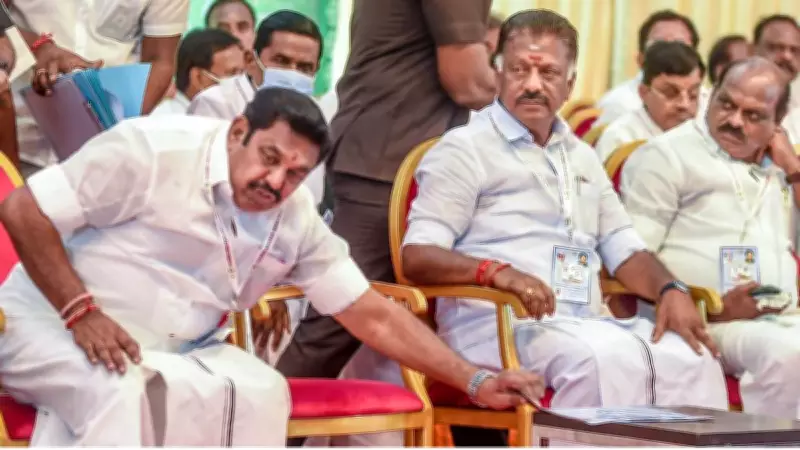
The AIADMK, a major political force in Tamil Nadu, has been grappling with leadership challenges following the demise of its iconic leader J. Jayalalithaa. Recently, there have been reports and speculations about a possible reconciliation between O. Panneerselvam (OPS) and Edappadi K. Palaniswami (EPS), two prominent figures who have been at odds, leading to a split within the party. This reunion offer is seen as a strategic move to consolidate the party's base and present a united front ahead of the 2026 polls, which are expected to be highly competitive.
BJP's Calculated Response to the Political Landscape
The BJP's decision to maintain distance from this internal affair of the AIADMK reflects a calculated political strategy. By labeling it as "their internal matter," the BJP aims to avoid any perception of interference in the regional party's dynamics, which could potentially alienate voters or create unnecessary controversies. This stance allows the BJP to focus on its own organizational strengthening and alliance-building efforts in Tamil Nadu, where it has been working to expand its footprint beyond traditional strongholds.

Political analysts suggest that the BJP's response is indicative of its broader approach to coalition politics in the state. Instead of getting entangled in the internal squabbles of regional allies or potential partners, the party is likely prioritizing a pragmatic and independent electoral strategy. This could involve forging new alliances or contesting elections on its own, depending on the evolving political equations as the 2026 elections draw nearer.
Implications for Tamil Nadu's Electoral Politics
The BJP's distancing from the AIADMK's reunion talks has several implications for the political landscape of Tamil Nadu:
- Focus on Governance and Development: By steering clear of internal party disputes, the BJP can potentially position itself as a party focused on governance, development, and national issues, rather than regional political maneuvering.
- Potential for New Alliances: This stance might open doors for the BJP to explore alliances with other regional parties or independent groups, if the AIADMK remains fragmented or if the reunion efforts fail to materialize.
- Electoral Strategy Recalibration: The BJP may be recalibrating its strategy to directly appeal to the electorate in Tamil Nadu, leveraging its national agenda and leadership, rather than relying heavily on regional partnerships.
As the political narrative unfolds, all eyes will be on how the AIADMK resolves its internal differences and whether the BJP's maintained distance translates into a more assertive role in the state's politics. The 2026 Tamil Nadu elections are poised to be a litmus test for both national and regional parties, with the BJP's current stance setting the tone for a potentially transformative electoral battle.