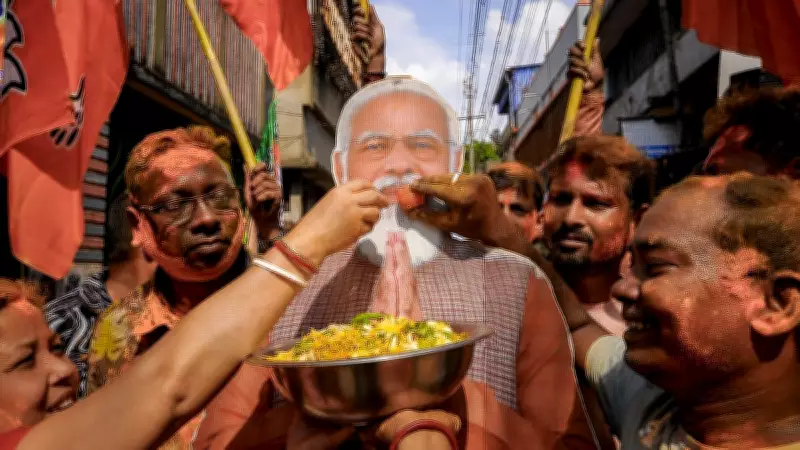
It is hoped that the change in regime will be smooth, and that life can proceed with a large degree of normality. Suhit K Sen Last Updated: 04 May 2026, 10:26 IST. The Bharatiya Janata Party's (BJP) strategy in West Bengal has been a subject of intense analysis. The party has effectively combined communal polarisation with electoral engineering to make significant inroads in a state traditionally dominated by the Trinamool Congress (TMC).
Communal Polarisation as a Tool
The BJP has leveraged religious identities to consolidate the Hindu vote bank. By focusing on issues such as alleged minority appeasement by the TMC and the Citizenship Amendment Act (CAA), the party has sought to create a sharp communal divide. This polarisation has been particularly effective in districts with a significant Hindu population, where the BJP's narrative of cultural nationalism resonates strongly.
Electoral Engineering and Alliances
Beyond polarisation, the BJP has engaged in meticulous electoral engineering. The party has forged alliances with local influential groups and has strategically fielded candidates from various communities to maximise appeal. The use of technology and data analytics in campaign management has also played a crucial role. The BJP's ability to micro-target voters through social media and door-to-door campaigns has been noteworthy.

Role of the Election Commission
The Election Commission has been closely monitoring the West Bengal Assembly Elections 2026 to ensure a level playing field. However, allegations of bias and administrative lapses have been raised by both the TMC and the BJP. The Commission's decisions on polling dates, security arrangements, and the deployment of central forces have significant implications for the electoral outcome.
Implications for the Future
The potential change in regime in West Bengal raises questions about the state's political future. A smooth transition is essential for maintaining stability and normalcy. If the BJP comes to power, it is expected to implement policies aligned with its national agenda, which could further polarise the state. Conversely, a TMC victory would reinforce its regional dominance and challenge the BJP's expansionist ambitions.
In conclusion, the BJP's approach in West Bengal represents a blend of communal polarisation and modern electoral tactics. The outcome of the 2026 elections will not only determine the state's governance but also set a precedent for the party's strategy in other regions. The hope remains that the transition, regardless of the winner, will be peaceful and that life in West Bengal will continue with a large degree of normality.