Jharkhand BJP President Urges Caution on Language Issues in Teacher Recruitment
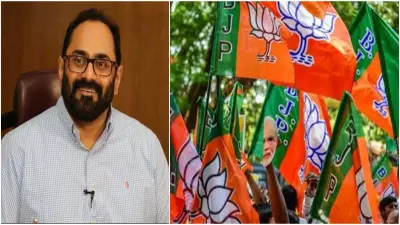
Ranchi: In a significant development, Jharkhand BJP president Aditya Sahu has formally written to Chief Minister Hemant Soren, urging the state government to steer clear of any language-based disputes while finalizing the rules for teacher recruitment. This move comes amid ongoing delays in conducting the Jharkhand Teacher Eligibility Test (JTET), which has been pending for nearly a decade.
Warning Against Linguistic Alterations
In his letter, Sahu emphasized that Jharkhand is a linguistically diverse region where tribal and local communities have long coexisted with multiple languages and dialects. He cautioned that any attempts to alter this linguistic landscape could have disastrous consequences. "Attempts to alter them will be disastrous," Sahu stated, directly referencing the prolonged delay in the JTET.
High Court Deadline and Potential Unrest
Sahu highlighted that the Jharkhand High Court has directed the government to complete the teacher recruitment process by March 31, 2026. With the education department currently in the process of framing the recruitment rules, Sahu expressed concern that any efforts to identify regional and tribal languages on a district-wise basis might trigger unrest among job aspirants and the general public. "The education department is currently framing rules and any attempts to identification of regional and tribal languages on a district-wise basis may trigger unrest among aspirants and people," he warned.

Broader Implications for Governance
This appeal underscores the delicate balance required in managing linguistic diversity within administrative frameworks. Sahu's letter reflects broader political and social tensions in Jharkhand, where language and identity issues often intersect with governance and public policy. The BJP leader's intervention aims to preempt potential conflicts that could arise from the recruitment process, ensuring it aligns with the state's multicultural ethos while meeting legal obligations.
As the government moves forward with the rules, stakeholders will be closely watching how these concerns are addressed, particularly in light of the high court's strict deadline. The outcome could set a precedent for handling similar issues in other linguistically diverse regions of India.