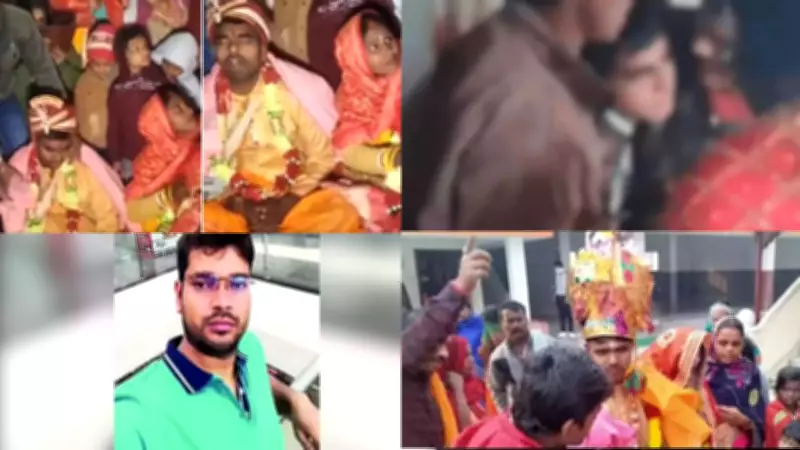
Pakadua Vivah: The Dark Underbelly of Tradition in Bihar
In the heartland of Bihar, a sinister practice is shattering lives and blurring the lines between celebration and sheer horror. Across multiple districts, including Samastipur, Begusarai, and Patna, a disturbing pattern has emerged where young men—students, teachers, and even teenagers—are being systematically abducted, drugged, and coerced into marriage against their explicit will. This phenomenon, locally termed 'pakadua vivah', is leaving a trail of traumatized victims and frantic families in its wake.
The Viral Evidence: Social Media Exposes Coercion
Viral videos circulating on social media platforms have become both a lifeline for victims and damning evidence of these crimes. Footage shows stunned, disoriented individuals struggling to perform wedding rituals, such as lifting garlands with trembling hands, while others are seen pleading for help from captivity. In some instances, victims are locked in rooms for days; in others, they are abducted at gunpoint. These recordings have forced authorities to take notice and catalyze rescue operations, yet they also inflict immense embarrassment and psychological distress on the victims.
Case Studies: A Pattern of Abduction and Trauma
Samastipur: The Sedated Student
In a recent incident in Samastipur district, Nitish Kumar, a 22-year-old student, reported being kidnapped and forcibly married. According to police, on February 7, while returning from a library, Nitish's friends offered him a cold drink laced with sedatives. "I was rendered unconscious, abducted, and later forced to marry a girl in a nearby village," Nitish stated in his complaint. He alleged captivity for two days, during which he was given sedatives to remain subdued. A video he managed to record went viral, showing him appearing disoriented during the garland exchange. Police rescued him after a raid, but no arrests have been made as investigations continue.
Begusarai: Conflicting Narratives of Consent
In July 2024, Avnish Kumar, a 28-year-old government school teacher, claimed he was abducted and forcibly married in a temple. A viral video depicted him crying and performing rituals under duress. However, the bride, Gunjan, 25, offered a contrasting account, stating they had a prior romantic relationship and the marriage was arranged by her family. This case underscores the complexity in determining consent, especially when prior connections exist.
Patna: From Gunpoint to Legal Battles
In a 2017 case, Vinod Kumar, a 31-year-old senior official, endured a forced marriage at gunpoint in Patna district. He faced police reluctance to file a complaint and had to pursue legal action independently. After over a year of proceedings, a family court nullified the marriage, but the offenders remain free, allegedly threatening his family. In July 2024, another incident involved a 17-year-old college student abducted near his home in Patna's Barh and married at gunpoint to a minor girl. Police rescued him within hours, but the accused are absconding.
Social and Legal Implications
The rise of pakadua vivah exposes deep-seated social issues, with communities often divided over tradition versus crime. Legal remedies, while available under acts like the Hindu Marriage Act, can take months or years, leaving victims to cope with ongoing trauma and social stigma. Police efforts are frequently hampered by conflicting stories and community pressures.
Key challenges include:
- Delayed police response and investigation hurdles.
- Psychological and social aftermath for victims.
- Need for stricter enforcement and awareness campaigns.
Conclusion: A Call for Urgent Action
As Bihar grapples with this ongoing social menace, the voices of victims like Nitish, Avnish, and Vinod highlight an urgent need for comprehensive measures. Enhanced police vigilance, public awareness initiatives, and stringent legal actions are crucial to combat pakadua vivah and protect vulnerable individuals from this harrowing ordeal.