Bihar Government Announces New Licensing System for Meat Sellers to Enhance Public Health
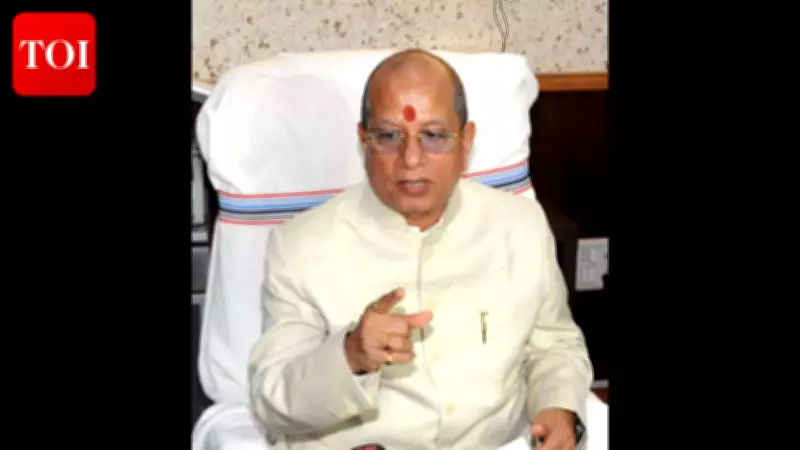
In a significant move aimed at improving public health standards, the Bihar government, under the leadership of Deputy Chief Minister and Urban Development and Housing Department (UDHD) Minister Vijay Kumar Sinha, is set to introduce a mandatory licensing system for meat sellers across the state. This initiative focuses primarily on mutton and chicken vendors, with the goal of ensuring hygiene and quality control in the meat trade.
Strict Enforcement of Existing Rules to Ban Open Sale of Mutton
Deputy CM Vijay Kumar Sinha emphasized that the government is not interfering with anyone's dietary preferences but is committed to enforcing existing regulations that prohibit the open sale of mutton in public spaces. The rules are already in place, and we are ensuring strict compliance to maintain cleanliness and protect public health, Sinha stated. He clarified that the initiative is driven by a need for a pure and healthy environment, rather than opposition to eating habits.
Instructions have been issued to vendors, and many have already started adhering to the guidelines. Sinha warned that while no one should fear the new system, those who violate the rules will face consequences. The government is determined to eliminate unhygienic practices in meat selling, he added.
Transparent Online Licensing with Minimal Fees
The licensing process will be streamlined through a transparent online system to reduce corruption and ensure efficiency. Sinha addressed concerns from the opposition regarding affordability for small-scale vendors, assuring that the licence fee will be minimal and not burdensome. We are not imposing hefty charges; the fee will be very reasonable, aimed at bringing all sellers into a regulated system, he explained.
Small vendors, particularly those selling fish in limited quantities, will be exempt from the licensing requirement. The focus remains on mutton and chicken sellers to address public hygiene issues effectively.
Quality Monitoring and Disease Prevention Measures
A key objective of the licensing system is to create a comprehensive database of meat sellers, who will be required to provide information on the quality of their products. Sinha highlighted the importance of training vendors on quality checks, citing recent concerns like bird flu. Without proper knowledge among sellers, how can we safeguard people from diseases? he questioned, stressing that contaminated meat should not enter the food chain.
The government plans to launch awareness campaigns to educate both vendors and consumers about the importance of quality meat, thereby preventing the spread of illnesses.
Addressing Corruption and Ensuring Effective Implementation
To tackle potential corruption, Sinha clarified that the monitoring of the licensing system will be managed by UDHD officials, not the police. The police are responsible for law and order, while our department will oversee compliance and inspections, he said, aiming to prevent any illegal practices or 'tehsildari' culture.
He expressed confidence in the government's ability to implement the system smoothly, despite possible resistance or strikes from some quarters. I respect those who follow the rules, but I have no sympathy for rule-breakers, Sinha asserted, emphasizing the government's role as a benefactor to the people.
Timeline and Future Outlook
The licensing process has already commenced, with full implementation expected soon. Sinha reiterated that the initiative is part of the government's broader efforts to introduce innovative reforms for public welfare. This double-engine government is committed to taking new steps for the betterment of society, he concluded, signaling a proactive approach to governance and health regulation in Bihar.