Bihar Assembly Speaker Takes Charge to Address Rural Drinking Water Crisis
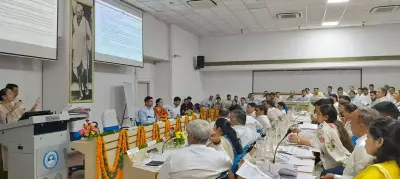
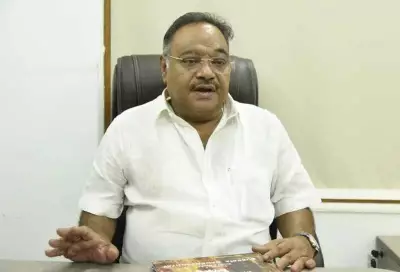
In a significant development within the Bihar Legislative Assembly, Speaker Prem Kumar declared on Wednesday that he will personally oversee a review meeting aimed at resolving persistent problems plaguing the Chief Minister's rural drinking water scheme. This announcement came during a heated Question Hour session, where multiple MLAs from the ruling NDA coalition raised urgent concerns about the scheme's implementation.
MLAs Highlight Widespread Failures in Water Supply Infrastructure
The call attention motion was initiated by BJP MLAs Mithilesh Tiwari and Vinay Kumar Chaudhary, along with five other legislators, who brought to light the dismal state of the Nal-Jal Yojana. Launched in 2016 under Chief Minister Nitish Kumar's leadership, this ambitious initiative was designed to provide pure drinking water to all gram panchayats across Bihar. However, MLAs reported that the condition of the tap water scheme is extremely poor in many areas.
BJP MLA Mithilesh Tiwari detailed numerous issues, including broken pipes and tap water supplies being out of service due to non-payment of electricity bills. He emphasized that land disputes and the lack of timely honorariums for tap water caretakers are further crippling the scheme's effectiveness. According to Tiwari, out of 67,053 schemes implemented in 8,053 villages, a majority of the installed drinking water pumps are non-functional.

Ministerial Responses and Administrative Challenges
In response to the queries, Public Health Engineering Department (PHED) Minister Sanjay Kumar Singh acknowledged the shortcomings. He stated that a decision has been made to improve the operation, repair, and maintenance processes in rural areas. Singh attributed part of the problem to past mismanagement by mukhiyas (village heads), noting that the PHED is currently engaged in repair work to address these issues.
The minister also clarified the departmental responsibilities: the Urban Development and Housing Department (UDHD) handles clean drinking water in cities, while the PHED and Panchayati Raj departments manage rural areas. He admitted that regulations were not strictly followed during the initial installation of pumps, contributing to the current challenges.
Political and Financial Hurdles Exacerbate the Situation
LJP(RV) state president and MLA Raju Tiwari highlighted additional complications. He explained that under the scheme, pumps were often installed on land owned by then-ward members, but changes in subsequent elections led to conflicts. Funds intended for landowners are transferred to new ward members, who sometimes fail to pay the previous ones, resulting in many pumps being out of service due to unpaid dues.
Tiwari criticized the financial allocation for maintenance, pointing out that only Rs 22.50 crore has been set aside for such an extensive network, which he deemed insufficient to ensure proper upkeep. This financial constraint, combined with administrative lapses, has severely impacted the scheme's sustainability.
Speaker's Intervention to Ensure Accountability
Following the intense debate, Speaker Prem Kumar intervened, recognizing the seriousness of the issue. He announced that he would convene a review meeting under his personal supervision to bring together all concerned departments. This move aims to foster better coordination and accountability, ensuring that the problems are addressed comprehensively and efficiently.
The Speaker's decision underscores the legislative assembly's commitment to tackling public welfare issues, particularly in rural development. By taking a hands-on approach, Kumar seeks to streamline efforts and implement corrective measures that will revive the Nal-Jal Yojana and fulfill its promise of providing clean drinking water to Bihar's villages.