Bihar MLA Advocates for Liquor Law Review Amid Revenue Concerns
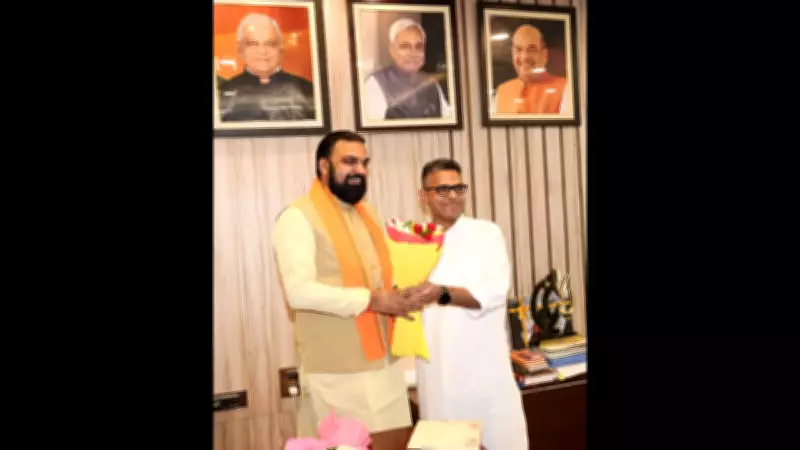
In a significant development following the resignation of JD(U) president Nitish Kumar as chief minister, Rashtriya Lok Morcha (RLM) legislature party leader and Madhubani MLA Madhaw Anand has urged the Bihar government to conduct a thorough review of the state's decade-old prohibition law. Speaking to reporters after meeting Chief Minister Samrat Choudhary on Thursday, Anand emphasized that the liquor ban has led to substantial revenue losses for Bihar.
Revenue Drain and Alternative Proposals
Anand stated, "I personally don't think there is any need for prohibition." Instead, he proposed launching an intensive awareness campaign against liquor consumption. He highlighted that Bihar's revenue is being diverted to neighboring states such as West Bengal, Jharkhand, Uttar Pradesh, and even Nepal due to the ban. "Ten years is a long time, and we should now hold a comprehensive review of the liquor law," he asserted, while cautioning that any decision must consider the interests of the general public.
He further argued that for a landlocked state like Bihar, prohibition is not a viable solution. Anand revealed he had raised this issue during the Budget session of the state assembly when Nitish Kumar led the NDA government. He claimed that people have become more educated about the ill effects of liquor and stressed the need to strengthen awareness efforts rather than maintain a blanket ban.

Political Reactions and Historical Context
In contrast, former JD(U) minister and Nitish Kumar's close aide Shrawan Kumar defended the prohibition policy. He told reporters in Nalanda on Thursday, "I don't think liquor will be available in Bihar. As long as Nitish is in the ruling alliance, prohibition will remain in force." Kumar referenced Mahatma Gandhi's stance on prohibition, noting that Nitish Kumar has fulfilled Gandhi's pledge by enforcing the ban.
Bihar implemented total prohibition in 2016 under Nitish Kumar's leadership, during his tenure as chief minister of the three-party Grand Alliance government. The law, which bans the manufacture, trade, storage, transportation, sale, and consumption of liquor and intoxicants, was enacted in response to protests by women's groups advocating for social reform.
Anand expressed hope that the new government would take his concerns seriously and initiate a review. This call for reassessment comes at a politically sensitive time, highlighting ongoing debates over the economic and social impacts of Bihar's prohibition policy.