Bihar's Electoral Battle Reaches Climax as Campaigning Concludes
The high-voltage campaign for the second and final phase of the Bihar Assembly elections concluded on Sunday, setting the stage for a crucial electoral battle that will determine the political future of India's third-most populous state. Voting for 122 of the 243 assembly seats will take place on Tuesday across multiple regions including Mithila, Kosi belt, western Bihar, Magadh, Angika, and the politically significant Seemanchal region.
Record Turnout in First Phase Sets Expectations High
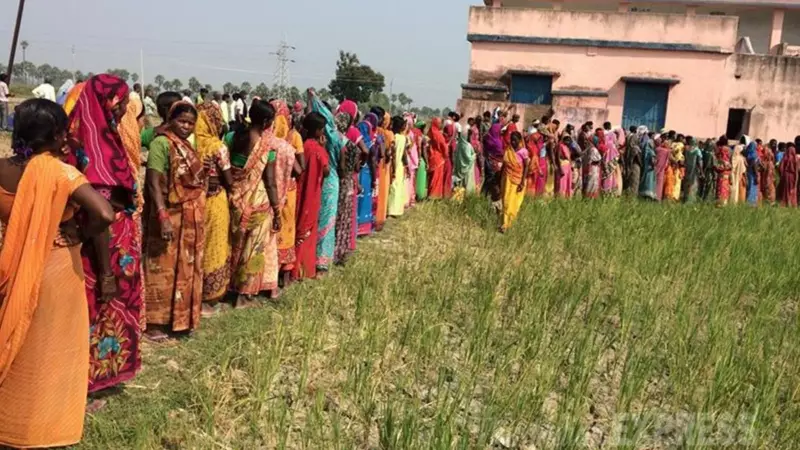
The first phase of elections held on November 6 set a remarkable precedent with 121 seats witnessing a record voter turnout of 64.66 percent. This substantial participation has raised expectations for the final phase, particularly in Seemanchal which has historically demonstrated higher voting percentages. The overall turnout represents a significant increase compared to the 57.29 percent recorded in the 2020 Assembly elections and 57.28 percent in the 2024 Lok Sabha polls.
All eyes are now focused on whether the final phase will maintain or surpass this record-breaking participation trend. The counting of votes for both phases is scheduled for November 14, when the political fate of Bihar will be decided.

High-Stakes Political Battle for Bihar's Future
At the heart of this electoral contest is a fierce battle between the ruling National Democratic Alliance (NDA) and the opposition alliance comprising Rashtriya Janata Dal (RJD) and Congress. The NDA aims to continue its governance of Bihar, while the opposition alliance is determined to break JD(U) leader Nitish Kumar's nearly 20-year tenure as Chief Minister.
For Nitish Kumar, this election potentially represents his final electoral battle, one that he hopes will secure his return as Chief Minister. Meanwhile, RJD leader Tejashwi Yadav, who celebrated his 36th birthday on Sunday, is leading the charge to break his party's electoral losing streak with support from Congress.
The BJP faces particularly high stakes in Bihar following its diminished performance in the 2024 Lok Sabha elections. A strong showing that positions the BJP as the single largest party in this significant state would reinforce its growing dominance both in Bihar and at the national level.
Final Campaign Push: Accusations and Promises
As campaigning reached its peak on Sunday, political leaders from both sides made their final appeals to voters through back-to-back rallies. The rhetoric intensified with serious allegations and counter-allegations dominating the discourse.
Congress leader Rahul Gandhi repeatedly emphasized his "vote chori" (vote theft) allegations, challenging Prime Minister Modi, Home Minister Amit Shah, and the Election Commission to respond to his claims. "Modi, Shah and the Election Commission have no replies to our vote chori allegations, as the truth is now out in front of people," Gandhi stated during his rally in Kishanganj.
In contrast, Union Home Minister Amit Shah accused the INDIA bloc of attempting to create a "corridor for infiltrators" and highlighted the government's tough stance on terrorism. "When the government at the Centre was helmed by Manmohan Singh, Sonia Gandhi and Lalu, terrorists struck at will on our soil. In contrast, now we are beating up the terrorists inside their homes," Shah declared during rallies in Sasaram and Arwal.
Tejashwi Yadav, addressing voters in Ramgarh, made ambitious promises to transform Bihar's development landscape. "What they could not do in 20 years, Tejashwi will do in 20 months. We will also raise the social security pension to Rs 1,500 and give free electricity to farmers for agriculture," he committed, referring to his flagship promise of providing one government job per family.
The election outcome will not only determine Bihar's governance for the next five years but could also significantly influence national political equations as parties position themselves for future electoral battles.