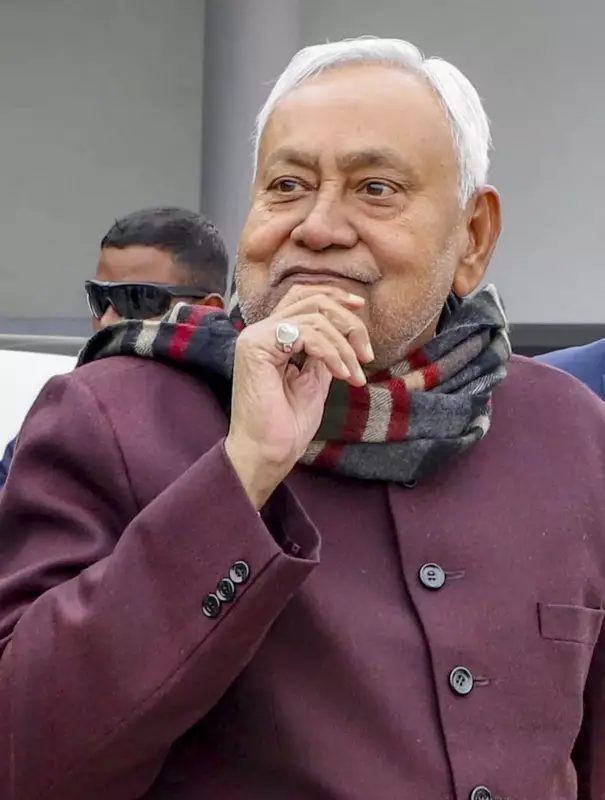
In a significant move aimed at improving public access to administration, Bihar Chief Minister Nitish Kumar has issued a directive requiring all government officials across the state to be physically present in their offices on two specific days every week. This new system is designed to ensure that common citizens can meet officials and have their problems addressed without facing the usual inconvenience of absenteeism.
New Weekly Schedule for Grievance Redressal
Chief Minister Nitish Kumar announced that starting January 19, officials from all departments must remain available at their designated workplaces every Monday and Friday. This order applies uniformly across all administrative levels, from the grassroots gram panchayat and police station levels up to the block, subdivision, district, division, and state headquarters.
The CM, in a detailed post on the social media platform X, explained the rationale behind the decision. He noted that it is often observed that when common people visit government offices with their issues, the concerned officials are not present, causing significant hardship to the visitors. This new arrangement seeks to eliminate that very problem by guaranteeing the presence of officials on these two fixed days.
Part of the 'Saat Nishchay-3' Vision
Nitish Kumar linked this directive to the broader 'Saat Nishchay-3' (Seven Resolutions) programme, which was announced shortly after the formation of the new state government on November 20 last year. The seventh resolution of this programme, titled 'Sabka Samman-Jeevan Aasan' (Ease of Living for All), specifically aims to reduce difficulties in the daily lives of Bihar's citizens.
"The main objective is to make the lives of all citizens easier," the Chief Minister stated, adding that his government is continuously taking important decisions towards this goal. The weekly grievance redressal days are a concrete step in this ongoing effort.
Protocol for Public Interaction and Monitoring
The directive comes with specific instructions on how officials should conduct themselves and manage the public interface. Officials have been directed to meet people respectfully and resolve their complaints promptly with sensitivity.
Furthermore, the government has ordered that arrangements be made in all offices to welcome visitors respectfully. This includes providing necessary facilities like drinking water and toilets. A systematic approach to complaint management will also be implemented.
A register of all complaints received from visitors will be maintained, and a system for the continuous monitoring of these complaints will be put in place to ensure they are followed through to resolution.
Nitish Kumar expressed confidence that the strict implementation of this new system from the stipulated date will provide great convenience to the common people and enable quicker resolution of their problems related to government offices.